Indonesia Furniture Trade Shows IFEX: The Complete Buyer's Guide for US Sourcing Professionals
18 min read
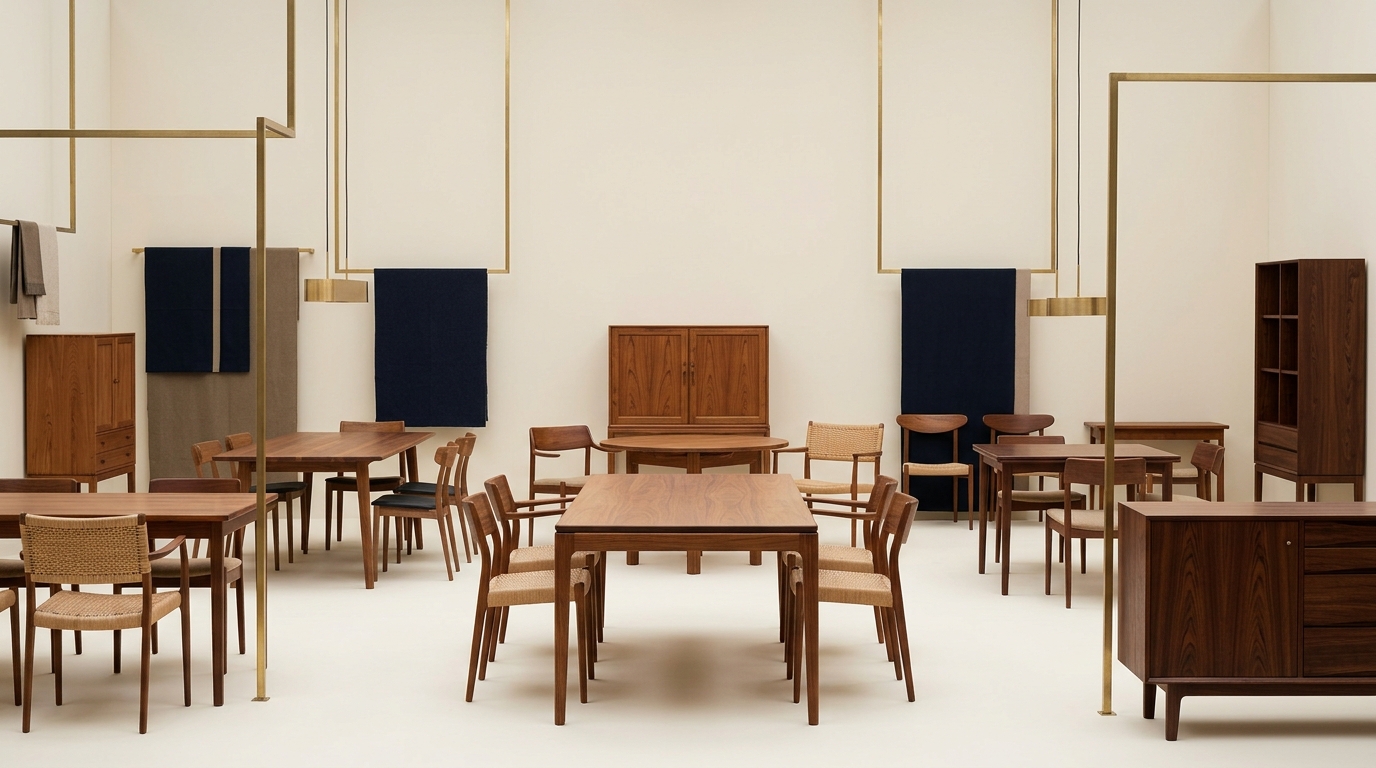
If you are a procurement manager or retail sourcing director evaluating overseas supplier options, few decisions carry more weight than where you invest your travel budget for a trade-show sourcing trip. Indonesia has steadily emerged as one of the most compelling furniture sourcing destinations…
If you are a procurement manager or retail sourcing director evaluating overseas supplier options, few decisions carry more weight than where you invest your travel budget for a trade-show sourcing trip. Indonesia has steadily emerged as one of the most compelling furniture sourcing destinations for American buyers, and the Indonesia International Furniture Expo — universally known as IFEX — is the single most important event on the country's trade calendar. Yet most publicly available information about IFEX amounts to little more than an event listing: dates, a venue name, and a registration link.
This guide goes further. In the pages below you will find the strategic sourcing context that helps you decide whether Indonesia deserves a place in your supply chain, a practical breakdown of what IFEX actually looks like on the show floor, step-by-step logistics for US-based attendees traveling to ICE BSD City in Tangerang, and the post-show workflow that converts a promising booth conversation into a reliable long-term supplier relationship. Whether you are attending Indonesia furniture trade shows IFEX for the first time or refining a process you have used before, the goal here is to make every hour you spend in Indonesia count.
The guide also addresses the tariff and trade-deal landscape that shapes the landed cost calculation for American importers, compares IFEX against competing events in Asia, and explains how to layer a side trip to Jepara or Cirebon into the same itinerary. By the end, you will have a clear action plan — not just a reading list.
Why Indonesia Is One of the World's Most Compelling Furniture Sourcing Destinations
A natural-materials powerhouse with global reach
Indonesia occupies a distinctive position in the global furniture supply chain. While China commands the largest overall production volume and Vietnam has grown rapidly in solid-wood categories, Indonesia's competitive identity is rooted in materials that are difficult to replicate elsewhere: plantation-grown teak, mahogany, rattan, bamboo, and reclaimed tropical hardwoods. These are not commodity materials in the way that engineered wood panels are — they carry provenance, tactile character, and a sustainability narrative that resonates strongly with premium US retailers and hospitality buyers.
The country's furniture production is organized around a series of well-defined geographic clusters. Jepara in Central Java is internationally recognized as the heartland of solid teak and mahogany furniture, supporting thousands of workshops ranging from small family operations to mid-sized export factories. Cirebon, also in West Java, is the country's rattan capital, home to cooperatives and manufacturers supplying global lifestyle brands. Bali produces artisan and luxury-hospitality pieces aimed at high-end design channels, while Semarang and Surabaya anchor more industrialized outdoor and mid-market production.
The result is a supplier ecosystem that spans price points and product categories — from handcrafted carved dining tables intended for boutique hospitality projects to containerized garden sets destined for national retail chains.
The US-Indonesia trade relationship and tariff context
For American importers, the tariff environment is a material factor in the sourcing decision. Indonesian furniture exports to the United States are generally subject to standard Most Favored Nation (MFN) import duty rates, which vary by product category and Harmonized Tariff Schedule (HTS) code. Rates on wooden furniture, rattan, and outdoor pieces have historically been moderate — in many categories meaningfully lower than the Section 301 tariffs that have applied to Chinese-origin goods since 2018.
The broader US-Indonesia trade relationship has been evolving, and American buyers should monitor any developments in bilateral trade negotiations that could affect duty rates or rules of origin. At the time of writing, Indonesia does not benefit from a free trade agreement with the United States, but it participates in the Generalized System of Preferences (GSP) framework for certain product categories — though GSP benefits have been subject to periodic Congressional renewal. Before finalizing landed-cost calculations, buyers should verify current HTS duty rates and GSP eligibility with a licensed US customs broker.
The practical implication for procurement managers: Indonesian furniture is frequently price-competitive on a landed-cost basis compared to equivalent Chinese-origin goods once Section 301 duties are factored in, particularly in solid wood, rattan, and outdoor categories.
Why American buyers are pivoting toward Indonesian suppliers
The shift is driven by a convergence of factors. Section 301 tariffs on Chinese furniture have compressed margins for importers who built their supply chains around Guangdong and Zhejiang factories. Vietnam has absorbed much of that redirect, but lead times, port congestion, and rising factory wages have prompted diversification-minded buyers to look further. Indonesia offers genuine differentiation: materials that China and Vietnam cannot replicate at scale, a growing base of export-experienced manufacturers, and a government that actively promotes furniture exports through institutions including the Indonesian Ministry of Trade.
What IFEX Is and Why It Dominates the Southeast Asian Furniture Calendar
IFEX — the Indonesia International Furniture Expo — was established in 2016 as a dedicated B2B trade platform for Indonesia's furniture and craft export industry. Organized by Dyandra Promosindo, one of Indonesia's leading professional exhibition management companies, and backed by the Indonesian Ministry of Trade, IFEX was conceived specifically to connect Indonesian manufacturers with international buyers rather than to serve domestic retail consumers.
That B2B-only orientation is the event's defining characteristic. Unlike consumer home-furnishing fairs where the show floor is crowded with weekend shoppers, IFEX is populated almost exclusively by procurement professionals, wholesale buyers, interior designers sourcing at commercial scale, and hospitality-sector purchasing agents. Exhibitors know this, which means the conversations you have on the show floor tend to move faster and go deeper than at mixed-audience events.
Since its launch, IFEX has grown in both exhibitor count and the number of buyer countries represented. The show now draws participants from across Asia, Europe, the Middle East, and increasingly North America. The exhibitor base spans indoor furniture, outdoor and garden collections, rattan and natural-fiber pieces, home accessories, and decorative craft — giving buyers across multiple product categories a reason to attend. The show is held at ICE BSD City, a world-class convention facility that provides the floor space and logistics infrastructure required by an event of this scale.
Indonesia furniture trade shows IFEX also benefits from official government backing, which means exhibitors frequently include manufacturers that participate in export-promotion programs and have already cleared certain compliance hurdles — a meaningful signal of export readiness for international buyers.
IFEX 2026 Key Details: Dates, Venue, and How to Register as an International Buyer
Confirmed dates and venue
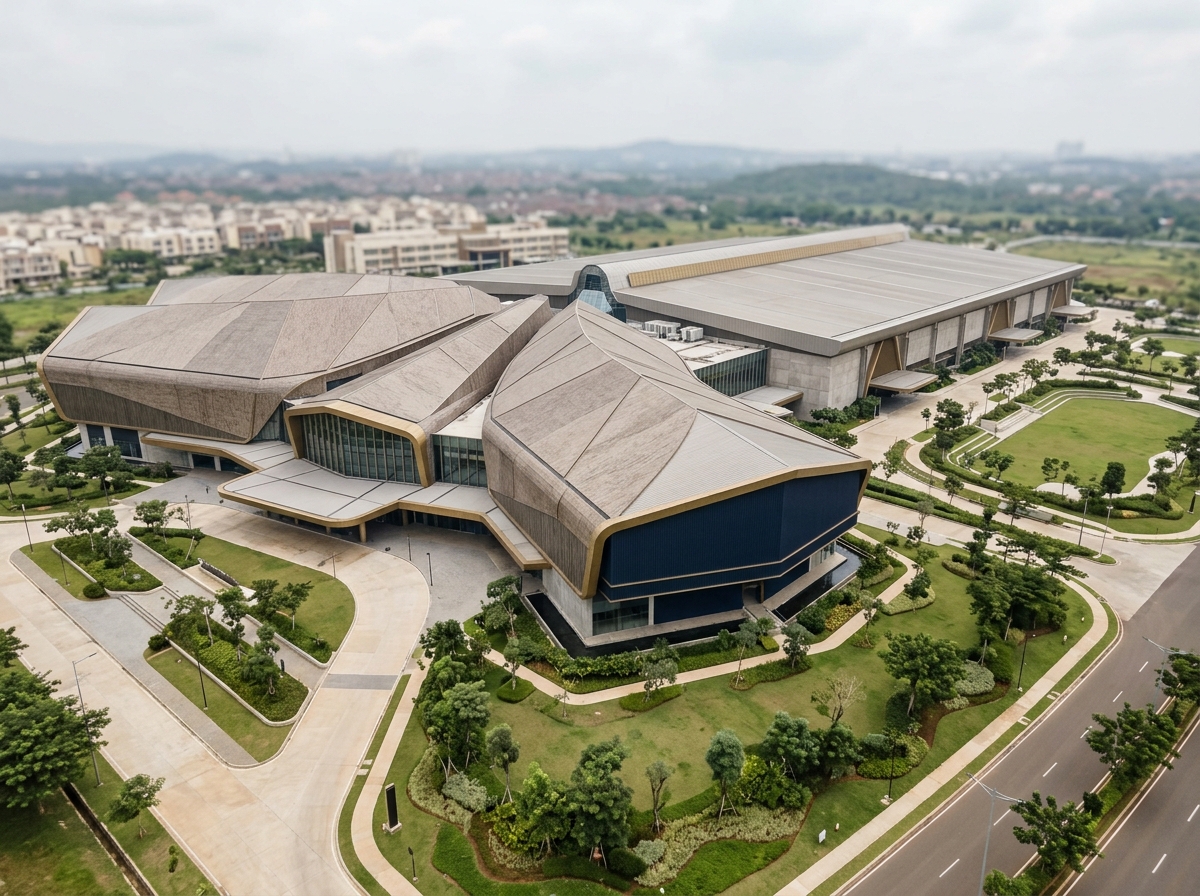
IFEX 2026 is scheduled for March 5–8, 2026, at ICE BSD City (Indonesia Convention Exhibition), located in Tangerang, Banten — approximately 30 kilometers west of central Jakarta and closely adjacent to Soekarno-Hatta International Airport. The ICE BSD City venue is one of Southeast Asia's largest purpose-built convention and exhibition centers, comprising multiple interconnected halls capable of hosting large-scale trade events. The campus layout allows exhibitors to organize by product category, making navigation more efficient for buyers with specific sourcing mandates.
Registration process for international trade visitors
International buyers register through the official IFEX website as trade visitors. The registration process is distinct from exhibitor registration and is designed for procurement professionals attending in a buying capacity. You will typically be asked to provide your company name, title, country of origin, and product categories of interest. Pre-registration is strongly recommended: it allows organizers to issue your badge in advance, reduces queue time on arrival, and in some years qualifies registrants for hosted buyer programs (discussed further below).
US-based attendees should register well ahead of the event — ideally by December 2025 for the March 2026 show — to allow time for visa processing and travel planning.
Recommended days and opening hours
For serious buyers, the first two days of IFEX (March 5–6, 2026) are typically the most productive. Exhibitor staff are freshest, meeting slots are more available, and the show floor has not yet been picked over. Opening hours for trade visitors generally run from morning through early evening; confirm exact hours on the official IFEX website as they are occasionally adjusted. If your schedule permits, arriving on March 5 and departing on March 7 gives you two full days of active sourcing plus buffer time for follow-up meetings.
Visa and logistics for US buyers traveling to ICE BSD City
US passport holders require a visa to enter Indonesia. The most practical option for a short business trip is the Visa on Arrival (VoA), available at Soekarno-Hatta International Airport upon landing — no advance application required. Alternatively, an e-Visa can be obtained online before departure, which can reduce airport processing time. Business visa requirements and permitted activities should be confirmed with the Indonesian consulate or embassy prior to travel, as regulations can change.
Flights: Most US gateway cities connect to Jakarta (Soekarno-Hatta, CGK) via one stop through Asian hubs including Tokyo, Singapore, Seoul, or Hong Kong. Total travel time from the US West Coast is typically around 20–24 hours; from the East Coast, plan for 24–28 hours. Book early for March travel, which coincides with regional business-travel season.
Hotels: Staying near ICE BSD City in the BSD City or Serpong area of Tangerang dramatically reduces daily commute time. Several internationally branded hotels are located within a short drive of the venue. Alternatively, central Jakarta hotels are viable if you plan to combine the show with Jakarta-based supplier meetings, but factor in traffic — Jakarta road congestion can add significant travel time.
- ✓Confirm visa type (Visa on Arrival or e-Visa) and gather required documents
- ✓Book flights to Soekarno-Hatta (CGK) at least 8–10 weeks in advance
- ✓Reserve hotel near ICE BSD City in BSD City or Serpong area
- ✓Complete IFEX international trade visitor registration online
- ✓Apply for hosted buyer program if eligible
- ✓Load currency (Indonesian Rupiah) or confirm card acceptance at venue
- ✓Pack business cards in sufficient quantity (minimum 200)
- ✓Prepare product specification sheets and MOQ requirements in printable format
- ✓Download venue map and confirm hall layout for target product categories
Navigating the IFEX Exhibitor Directory to Identify the Right Suppliers
Accessing and filtering the official directory
The IFEX organizers publish an exhibitor list on the official event website, typically updated in the months leading up to the show. International buyers can browse the directory by product category, material type, or export destination — filters that allow you to build a target shortlist before you arrive. Accessing the directory early (as soon as it goes live) gives you time to research individual companies, review their export portfolios, and reach out to schedule appointments ahead of the event.
Product categories represented at IFEX
Indonesia furniture trade shows IFEX covers a broad product spectrum. Indoor furniture — dining, bedroom, living room — is strongly represented, with teak and mahogany as the dominant materials. Outdoor and garden furniture, including teak garden sets and woven rattan seating, is a major category attracting buyers from mass-market retailers and specialty outdoor lifestyle brands alike. Rattan and natural-fiber furniture, a category in which Indonesia has few global competitors, draws sourcing interest from interior designers and boutique retailers. Craft and home accessories round out the show, offering buyers the option to discover complementary product lines alongside core furniture categories.
Shortlisting exhibitors before you arrive
Arrive with a tiered target list: your top-priority exhibitors (must visit), your secondary list (visit if time allows), and a watch list for companies that look promising but require more research. Use the exhibitor directory to look for signals of export readiness: the presence of international certifications (such as SVLK timber legality — discussed in more detail below), stated export markets, and evidence of supply to recognized retail brands or hospitality groups. Companies that list the US as an active export market are likely already familiar with the documentation, lead times, and quality expectations that American importers require.
Red flags to watch for
Be cautious of exhibitors whose profiles are thin on detail, who cannot specify their production location, or who appear to be trading companies presenting other manufacturers' products as their own. At IFEX, trading companies do participate alongside direct manufacturers — neither is inherently disqualifying, but understanding who you are dealing with affects your pricing expectations, quality control options, and the kind of customization available to you.
Pre-Show Preparation: Setting Yourself Up for a Productive IFEX Visit
Arriving at Indonesia furniture trade shows IFEX without preparation is the single most common mistake made by first-time attendees. The show floor is large, the exhibitor count is substantial, and unplanned time is quickly consumed by wandering rather than productive conversation.
Define your sourcing goals precisely. Before departure, document the specific product categories you need, your target price points, acceptable MOQ ranges, and any certification requirements (FSC, SVLK, or specific finish standards). Buyers who can state their requirements clearly in the first 60 seconds of a booth conversation are taken more seriously by exhibitor sales staff.
Schedule meetings in advance. Contact your priority exhibitors directly — via email or the IFEX messaging platform if available — to schedule dedicated time slots. Even an informal agreement to meet at a specific time on Day 1 improves your odds of getting undivided attention from a decision-maker rather than a booth junior.
Documents to bring: A generous supply of business cards is non-negotiable in Indonesian business culture. Bring printed product specification sheets for any items you are actively looking to source — having a visual reference accelerates conversation significantly. NDA templates and basic term sheets, if your procurement process requires them, should be prepared in advance rather than emailed after the show.
On the Show Floor: Tactics for Getting the Most From Buyer-Supplier Meetings at IFEX
Evaluating sample quality in person
The show floor is your opportunity to assess what no photograph or product catalog can convey: the physical quality of joinery, the smoothness of finish, the weight and density of wood, and the integrity of hardware connections. When evaluating teak or mahogany pieces, check for consistent grain, absence of significant filler in joints, and even coloration across surfaces. Rattan and woven-fiber pieces should be examined for consistency of weave tension and the quality of frame construction beneath the woven surface.
Questions to ask exhibitors
Go beyond price. Ask about production capacity — specifically, how many containers per month a factory can commit to your categories during peak season. Ask about lead times from order confirmation to container loading. Inquire about certifications: does the factory hold SVLK timber legality certification? Are they FSC-certified? Do they have experience with US customs documentation, including certificates of origin? Factories that have exported to the US before will answer these questions fluently; those that hesitate may require more intensive pre-qualification.
Cultural considerations and negotiation etiquette
Indonesian business culture places significant value on relationship-building before hard negotiation. Initial meetings at IFEX are better used for qualification and mutual interest than for aggressive price negotiation. Approach conversations with genuine curiosity about the factory's capabilities and history. Avoid creating situations of public embarrassment — disagreements or critical feedback should be delivered privately and diplomatically. Follow up promptly after the show; Indonesian exporters respect buyers who are organized and responsive.
Hosted buyer programs and networking events
IFEX typically offers a hosted buyer program for qualified international buyers, which may include assistance with accommodation, airport transfers, and organized factory visits. Application is made through the official IFEX website, generally several months before the event. If you qualify, the hosted buyer designation also signals your seriousness to exhibitors — a useful opening credential on the show floor. Networking events organized around the show provide additional opportunities to connect with other international buyers, Indonesian trade officials, and industry associations.
Other Indonesia Furniture Trade Shows Worth Adding to Your Sourcing Itinerary
| Event | Typical Timing | Venue | Primary Focus | Best For |
|---|---|---|---|---|
| **IFEX** | March (2026: Mar 5–8) | ICE BSD City, Tangerang | Indoor, outdoor, rattan, craft — export B2B | Broad supplier discovery across all categories |
| **IFFINA** | Typically March/April | Jakarta International Expo (JIExpo), Kemayoran | Furniture and craft, mixed domestic/export | Secondary discovery; craft and home accessories |
| **Jepara Regional Expos** | Varies | Jepara, Central Java | Solid wood, teak, mahogany | Deep-dive into carved and solid wood production |
IFFINA (Indonesia International Furniture and Craft Fair), held at Jakarta International Expo in Kemayoran, is the most established alternative to IFEX. It has a longer history and a broader audience that includes domestic buyers alongside international visitors. For American buyers with a specific interest in craft and home accessories, IFFINA can complement an IFEX visit rather than replace it.
Jepara deserves special mention for buyers focused on solid wood. The city and its surrounding villages represent one of the world's greatest concentrations of teak and mahogany furniture production. While Jepara does not host a single dominant international trade fair comparable to IFEX, the cluster can be visited directly — many factories and export showrooms welcome international buyers by appointment. A two-day side trip from Jakarta to Jepara (accessible by domestic flight to Semarang plus ground transfer) can reveal supplier options that never appear at any trade show.
Similarly, Cirebon — approximately three hours by road from Jakarta — is the logical side trip for buyers sourcing rattan and natural-fiber furniture. The cluster there includes both large export manufacturers and smaller artisan cooperatives.
A well-structured Indonesia sourcing trip might run: Days 1–2 at IFEX (March 5–6), Day 3 rest/meetings in Jakarta, Day 4–5 factory visits in Jepara or Cirebon, Day 6 departure. This structure allows a buyer to cover trade-show discovery and direct factory evaluation within a single trip.
Post-Show Follow-Up: Converting IFEX Connections Into Verified Long-Term Suppliers
The 48-hour follow-up sequence
The window immediately after IFEX closes is when deals are won or lost. Within 48 hours of the show's end, send a personalized follow-up email to every exhibitor you met — not a mass message, but a note that references specific products discussed, reiterates your MOQ and timeline requirements, and proposes a next step (typically a sample request or a video call). Suppliers receive dozens of inquiries at a show; the buyer who follows up promptly and specifically is the one who gets prioritized.
Factory audits and third-party quality inspection
Before placing a first order with any Indonesian supplier identified at IFEX, commission a factory audit. Third-party inspection firms operating in Indonesia can assess production capacity, quality management systems, social compliance, and facility conditions. Factory audits typically take place at the supplier's premises and produce a written report that informs your risk assessment. For orders of meaningful size, a pre-shipment inspection — conducted by a third-party inspector at the factory before the container is loaded — is standard practice among experienced importers.
Understanding SVLK and export documentation
SVLK (Sistem Verifikasi Legalitas Kayu) is Indonesia's mandatory timber legality verification system, administered under the Indonesian Ministry of Environment and Forestry. For furniture manufacturers exporting to markets with legality requirements — including the United States, which enforces the Lacey Act — SVLK certification is a critical compliance credential. It verifies that the timber used in production was legally harvested and that the supply chain meets traceability requirements. When evaluating Indonesian suppliers post-show, confirming SVLK certification status should be an early step in your due diligence process.
Other key export documents you will encounter include the Certificate of Origin (required for customs clearance and GSP claims where applicable), phytosanitary certificates for solid wood products, and standard commercial invoices and packing lists. A freight forwarder experienced in Indonesia-to-US shipments can guide you through the documentation checklist specific to your product categories.
Realistic timeline from first contact to first shipment
Buyers new to Indonesian sourcing sometimes underestimate the lead time from initial contact to first container delivery. A realistic timeline — from post-IFEX follow-up through sample approval, order placement, production, and ocean freight to a US port — commonly runs from four to seven months depending on order complexity, factory queue, and shipping transit times. Build this into your inventory planning and communicate your target delivery windows to suppliers early, so they can confirm production availability before you commit.
Frequently Asked Questions About Attending IFEX as a US Buyer
When and where is IFEX 2026 held? IFEX 2026 takes place March 5–8, 2026, at ICE BSD City (Indonesia Convention Exhibition) in Tangerang, Banten, approximately 30 kilometers from central Jakarta and close to Soekarno-Hatta International Airport.
How do US buyers register for IFEX as an international trade visitor? Registration is completed through the official IFEX website. Select the international trade visitor category, provide your company and contact details, and specify your product categories of interest. Pre-registration is strongly recommended to avoid on-site delays and to qualify for any hosted buyer program benefits.
What types of furniture products are exhibited at IFEX Indonesia? IFEX covers a wide range of categories including solid wood indoor furniture (teak, mahogany, reclaimed wood), outdoor and garden furniture, rattan and natural-fiber seating, home accessories, and decorative craft. The show's strength is in natural-material categories that align with Indonesia's core production expertise.
Are there any US-Indonesia tariffs or trade considerations buyers should know about? Indonesian furniture is not subject to the additional Section 301 tariffs that apply to Chinese-origin goods, making it cost-competitive for American importers on a landed-cost basis in many categories. Standard MFN duty rates apply, and some products may qualify under GSP where the program is in effect. Always verify current rates with a licensed US customs broker before finalizing pricing models.
How does IFEX compare to other Asian furniture trade shows like Canton Fair or CIFF? Canton Fair and CIFF (China International Furniture Fair) are larger in overall scale and cover a far broader range of materials and price points, including engineered wood and upholstered categories that IFEX does not emphasize. IFEX's differentiation is its concentration on Indonesian natural-material expertise — teak, rattan, mahogany — and its purely B2B orientation. For buyers specifically seeking those material categories, IFEX offers higher signal-to-noise than a general Asian mega-fair.
Is there a hosted buyer program at IFEX and how do you apply? IFEX typically operates a hosted buyer program for qualified international buyers that may include accommodation support, airport transfers, and organized factory visits. Application is made through the official IFEX website during the pre-registration period. Eligibility criteria generally relate to demonstrated purchasing authority and purchase volume. Apply as early as possible — hosted buyer places are limited and fill quickly.
Attending IFEX 2026 with a clear sourcing mandate, a pre-researched exhibitor shortlist, and a structured post-show follow-up process transforms what could be an expensive trade-show trip into the foundation of a durable Indonesian supply chain. The combination of Indonesia's unique natural materials, a maturing export-manufacturer base, a favorable tariff position relative to China, and the concentrated B2B access that Indonesia furniture trade shows IFEX provides makes this one of the highest-return sourcing investments an American furniture buyer can make in 2026.
Now that you have the strategic context and the practical playbook, the logical next step is to organize your pre-trip preparation into a structured action plan.
You now have a complete picture of what IFEX 2026 offers and what it takes to source successfully in Indonesia. Use our free IFEX buyer checklist to organize your exhibitor shortlist, pre-show meetings, on-floor evaluation criteria, and post-show follow-up sequence — so you arrive prepared and leave with qualified supplier contacts.
Download the Free IFEX Buyer Checklist →Need eyes on the ground in Indonesia?
MTS is an execution partner — supplier verification, manufacturing management, quality control and export logistics across Indonesia, Vietnam and China.
Related services
Related articles
Receive furniture sourcing insights across Asia.
One email per week. No spam.