How to Escalate a Factory Problem in China Without Travelling
11 min read
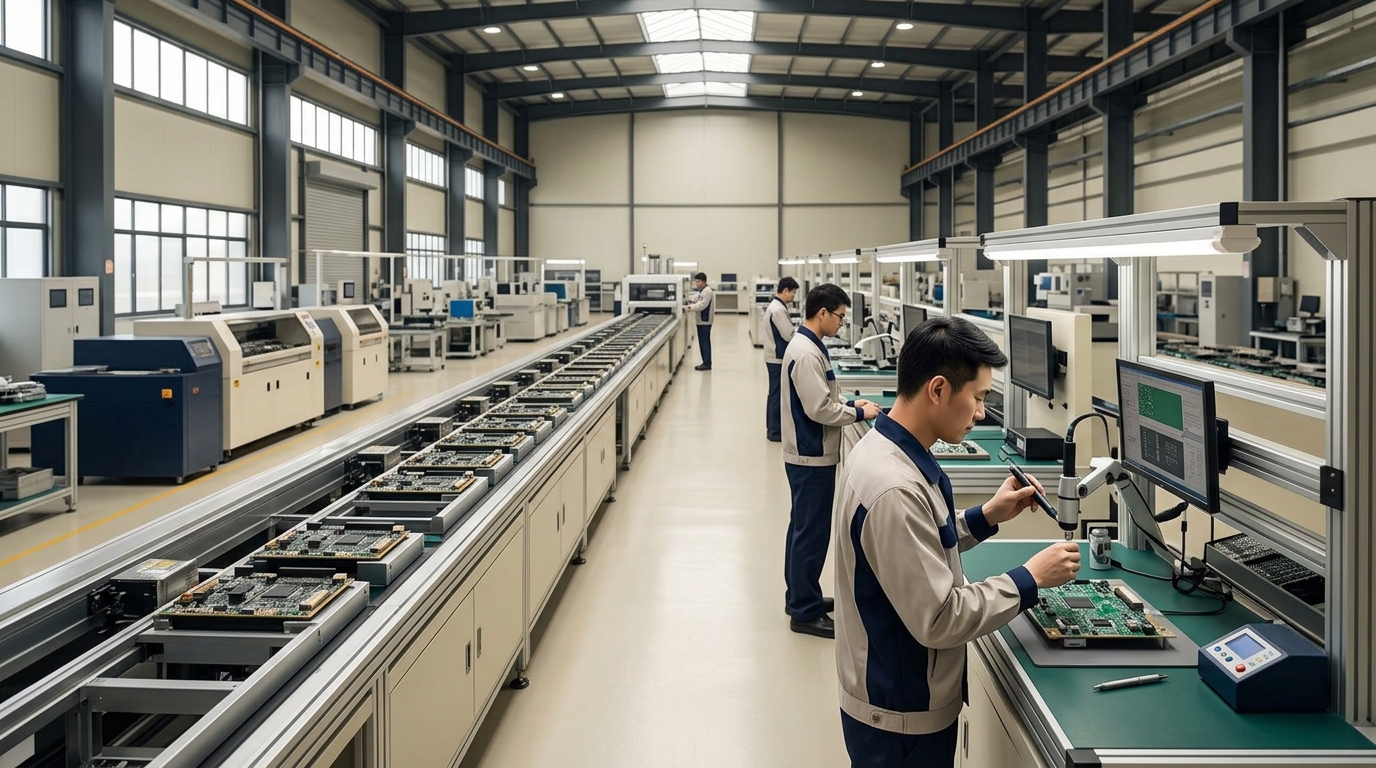
Production problems at Chinese factories rarely announce themselves at a convenient time. A shipment is delayed without explanation, an inspection flags a defect rate that breaches your AQL 2.5 threshold, or the factory quietly substitutes a material without approval. The natural response — especially for a procurement manager who has built a relationship with the factory floor supervisor over several visits — is to book a flight and deal with it in person. That instinct is understandable, but it is rarely the right first move, and for most mid-sized importers it is not a sustainable model. The good news is that you can escalate a factory problem in China without travel if you approach the escalation with the same structure and authority you would bring to an in-person visit.
The challenge is that Chinese factories, particularly those accustomed to working with foreign buyers, are skilled at managing communication at a distance in ways that buy time rather than resolve problems. Emails go unanswered for days. Video calls produce reassurances without commitments. The factory's English-speaking sales contact acts as a buffer between you and the production manager who actually controls the outcome. Without someone physically present to cut through that buffer, a remote escalation can stall indefinitely — and the production window closes.
This article sets out a practical escalation sequence for procurement managers and supply chain directors dealing with a live factory crisis. It covers what you can do remotely, where remote action has structural limits, and how a professional local representative changes the dynamic when the situation demands it.
Most buyer-supplier communication works adequately at a distance during normal operations. Purchase orders, shipping documents, and routine quality reports move through email and messaging platforms without friction. The problem is that a production crisis is not a normal operation. It is a situation where the factory has a commercial incentive to minimise the reported severity of the problem, delay commitment to a remedy, and protect its own margin — all of which are easier to do when the buyer is twelve time zones away.
The structural asymmetry is straightforward. The factory's production manager, quality director, and general manager are all in the same building. They can align their position before your video call starts. You are working from email threads, photographs, and inspection reports that may already be several days old. When you push for a written corrective action plan with a signed commitment date, the factory can respond with vague reassurances and let the thread go quiet.
This is not a cultural observation — it is a commercial negotiation reality that applies across manufacturing regions from China to Vietnam to Bangladesh. The party with less information and less physical presence is at a structural disadvantage when the stakes are high.
The Structured Escalation Sequence You Should Follow Before Anything Else
Before you consider a representative visit or any legal route, exhaust the structured remote escalation. Do this quickly and in writing.
Step 1: Define the problem in writing with a deadline
Send a formal written notice — not a WhatsApp message — to your primary commercial contact and copy any senior factory contact you have. The notice should state the specific non-conformance (defect type, quantity affected, relevant specification or AQL level), the date it was identified, the remedy you require (rework, replacement, production hold, or root cause report), and the deadline by which you need a written response. Forty-eight hours is a reasonable initial response deadline for a serious issue.
Avoid language that invites negotiation on whether a problem exists. State the facts, reference the relevant purchase order number and agreed specification, and make the deadline explicit.
Step 2: Escalate internally within the factory hierarchy
If your day-to-day contact is a sales or account manager, request that your notice is acknowledged by someone with operational authority — typically a production manager, quality manager, or general manager. This signals that you understand the factory's internal structure and that you are not going to be managed by the sales layer alone.
Step 3: Request photographic or video evidence of the corrective action
For issues involving defects or material substitutions, ask for timestamped photographic evidence of the corrective action underway. This is a reasonable and standard request. A factory that is genuinely fixing the problem will send it. A factory that is stalling will not.
Step 4: Document everything for potential third-party escalation
Keep a timestamped record of every communication. If the escalation requires a third party — whether a local representative, a quality inspection firm, or ultimately a legal route — that documentation is the foundation of your position.
Where Remote Escalation Has Hard Limits
The sequence above works for a significant portion of production problems, particularly with factories you have an established relationship with and where the commercial stakes are relatively contained. It breaks down in several specific situations.
When the factory disputes the severity of the defect. A factory that disagrees with your AQL outcome, or claims the defect rate is within acceptable limits, cannot be resolved by email. Someone with authority needs to be on the production floor with the actual goods.
When you need a production hold confirmed. Telling a factory to halt production remotely is easy. Confirming that the hold is actually in place — that the affected batch is quarantined and that no further goods are being processed — requires a physical presence or a trusted third-party audit.
When the relationship is under strain. A factory that feels it has been treated disrespectfully, or that has a different interpretation of the agreed specification, will not resolve a dispute gracefully over email. These situations require a face-to-face conversation conducted by someone who understands the commercial relationship and can manage the dynamic appropriately.
When time is genuinely critical. If you are within a production window where a delayed response means a missed shipping date, the time cost of a slow email thread is not acceptable. You need someone who can walk into the factory the next morning.
What a Professional Local Representative Can Do That You Cannot Do Remotely
This is where the practical case for on-the-ground representation becomes concrete rather than theoretical. The ability to escalate a factory problem in China without travel depends on having someone there who can act with your authority when remote action is insufficient.
A professional representative operating under a clear mandate can attend the factory without prior notice (or with short notice), conduct a physical assessment of the production floor and affected goods, sit in a meeting with the factory's management team and make clear — in Mandarin or Cantonese, directly — what the buyer's position is and what the consequences of non-compliance are, and return a structured written report with photographs, commitments, and timelines.
This is not the same as hiring a local inspection firm to produce an audit report. An inspection report tells you what the situation is. A representative acts on your behalf to change the situation.
The distinction matters because factories respond differently to a meeting with someone who has a mandate to negotiate than they do to an inspection team producing a pass/fail report. The representative can engage in the conversation, understand the factory's constraints, and identify a realistic corrective path — all of which requires commercial judgment, not just technical assessment.
The effectiveness of this approach also depends on how the representative is briefed. A well-briefed representative arrives with a clear understanding of your acceptable outcomes, your non-negotiables, your preferred tone with this specific supplier, and the authority limits within which they are operating. Seethe Business Representation pillar guidefor a detailed breakdown of how mandates are structured and how accountability is maintained.
How to Brief a Representative for a Factory Escalation
If you decide to engage a representative to handle a live escalation, the quality of the briefing directly determines the quality of the outcome. A representative who is unclear on your position will either be too accommodating or too aggressive — both of which can damage the relationship further.
A complete escalation briefing should cover:
- The specific non-conformance: what was found, when, by whom, and what evidence exists. - Your required outcome: rework, replacement, production hold, root cause analysis, credit note, or some combination. - Your deadline: the date by which you need the outcome confirmed, tied to your shipping or delivery schedule. - Your tone preference: this factory may be a long-term strategic supplier where preserving the relationship matters, or it may be a transactional supplier where firmness without diplomacy is appropriate. - Your authority limits: what the representative can agree to on your behalf without referring back to you, and what requires your explicit approval. - Escalation triggers: if the factory does not respond to the representative's visit in the way you need, what is the next step?
This kind of structured mandate is the foundation ofour Business Representation service, which operates across China, Vietnam, India, and other manufacturing markets in the region.
The Role of Documentation and Written Commitments in Chinese Factory Escalations
One of the most common mistakes buyers make when escalating remotely is accepting verbal commitments without written follow-up. A factory manager who agrees in a video call to complete a rework by a specific date has made no binding commitment. The same commitment captured in a signed letter, an email chain with explicit acknowledgment, or a formal corrective action report carries significantly more weight — both commercially and, if it ever comes to it, legally.
A representative attending a factory meeting should always leave with a written commitment signed or acknowledged by the factory. This does not need to be a formal legal document. An email from the factory's general manager confirming the agreed corrective action and timeline, sent while the representative is still on site, is often sufficient to create accountability.
For larger disputes — those involving significant quantities of goods, substantial rework costs, or a potential claim under your purchase terms — it is worth having your commercial agreements reviewed to understand what remedies you have contracted for. Standard Incoterms 2020 terms define risk transfer points but do not govern quality liability; that is typically addressed in your purchase order terms, a supplier quality agreement, or a memorandum of understanding (MOU).
When to Escalate Beyond the Factory to a Formal Dispute Process
Most production problems — even serious ones — are resolved at the supplier relationship level without reaching a formal dispute. Factories have a commercial interest in maintaining buyer relationships, and most escalations that are handled with clarity and authority produce a workable outcome.
The situations that move beyond the supplier relationship level typically involve a factory that has ceased trading or is in financial difficulty, a systematic fraud (material substitution, counterfeit components), a dispute over liability for a product recall, or a situation where the financial exposure is large enough that a commercial settlement is necessary.
In those cases, the escalation moves from a representative function to a legal function, and the documentation accumulated during the earlier escalation stages becomes critical. A buyer who has a clear paper trail of the non-conformance, the factory's response, and the failed attempts to resolve the issue is in a materially stronger position than one who has relied on verbal conversations and informal messages.
Building a Supplier Escalation Protocol Before the Crisis Arrives
The most effective way to handle a factory crisis without travelling is to have the escalation protocol in place before the crisis occurs. This means establishing, at the outset of a supplier relationship, who has authority to receive formal notices, what the agreed response timelines are, how disputes over quality conformance will be assessed, and whether a third-party representative is already known to the factory as a point of contact on your behalf.
Factories that already have a working relationship with your local representative — who have met them at a factory visit, received an audit from them, or worked through a previous issue with them — respond differently when the representative arrives for an escalation. The visit is not a surprise, the authority is already understood, and the commercial relationship context is in place.
This is why representation works best as an ongoing model rather than a break-glass arrangement. A representative who is already embedded in your supplier relationships, who attends regular production check-ins, and who is known to the factory management as someone who acts with your authority, is far more effective in a crisis than one who arrives cold.
Resolving a production crisis — whether it involves defect rework, a delivery delay, a material substitution, or a communication breakdown — requires clarity, authority, and physical presence at the right moment. The ability to escalate a factory problem in China without travel is real, but it depends on having the right structure in place: a clear mandate, a competent representative, and documentation that creates accountability at every stage. For procurement managers and supply chain directors managing multiple supplier relationships across the region, that structure is what separates an escalation that resolves in days from one that drags on for weeks.
Supplying a complete project from Asia?
MTS runs turnkey procurement — sourcing, contracting, production, QC and consolidated delivery across furniture and building materials.
Related services
Related articles
Receive furniture sourcing insights across Asia.
One email per week. No spam.