Top Activewear Sportswear Manufacturers in Indonesia for Global Brands
14 min read
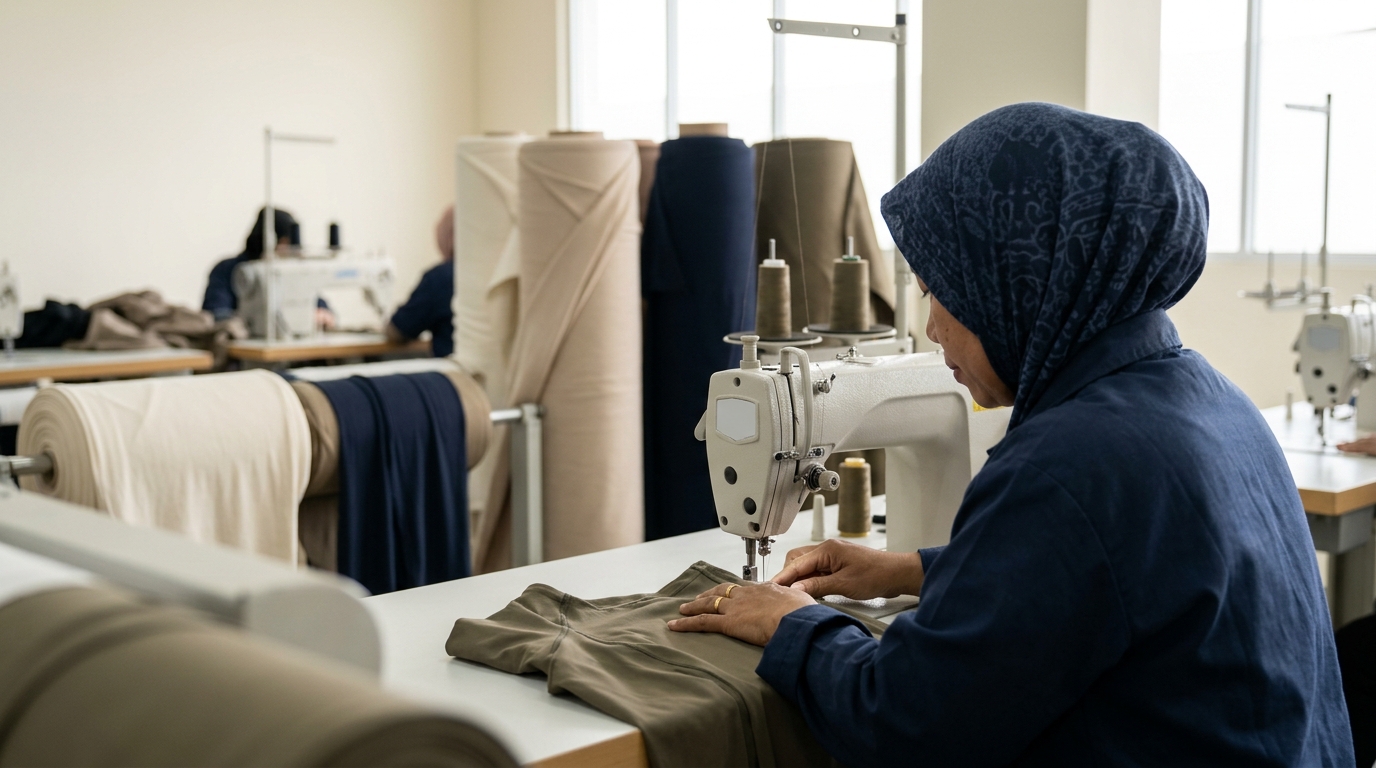
Sourcing custom performance apparel from overseas is a high-stakes decision. Founders and sourcing managers evaluating activewear sportswear manufacturers Indonesia must weigh fabric capability, construction quality, compliance, and logistics — all before placing a first order. The wrong factory…
Sourcing custom performance apparel from overseas is a high-stakes decision. Founders and sourcing managers evaluating activewear sportswearmanufacturers Indonesiamust weigh fabric capability, construction quality, compliance, and logistics — all before placing a first order. The wrong factory wastes months and capital. The right one becomes a durable production partner.
Indonesia is not a generic low-cost option. It is a specialist manufacturing destination with deep expertise in stretch fabrics, sublimation printing, and performance construction. This article walks through every critical decision point: from initial factory vetting to first shipment. It covers US-specific compliance requirements, a cost comparison with competing sourcing countries, and MOQ structures calibrated to different brand stages. It ends with a practical logistics framework for importing from Jakarta or Bali to the United States.
If you are deciding whether Indonesia belongs in your sourcing strategy — and how to execute it — this is the framework you need.
Why Indonesia Is a Strategic Manufacturing Hub for Activewear Brands
Indonesia ranks among the top ten global garment exporters by volume. The country's textile and apparel sector employs millions of workers across an extensive factory base spanning Jakarta, Bandung, and Bali. For performance apparel specifically, Indonesia offers a combination of technical capability and cost structure that few competing countries match at comparable quality levels.
Cost Position Versus Competing Sourcing Countries
US brands routinely compare Indonesia against China, Vietnam, and Sri Lanka. The table below summarises the typical relative positioning for poly-spandex and nylon-spandex activewear production. All figures are directional and reflect general industry patterns rather than guaranteed quotes.
| Country | Relative FOB Cost | MOQ Flexibility | Technical Fabric Access | Compliance Depth | Lead Time (first order) |
|---|---|---|---|---|---|
| China | Moderate–High | High | Excellent | High | 60–90 days |
| Vietnam | Moderate | Moderate | Good | High | 75–100 days |
| Indonesia | Moderate–Low | Moderate | Good–Excellent | Moderate–High | 75–105 days |
| Sri Lanka | Moderate | Low | Moderate | High | 90–120 days |
| Bangladesh | Low | Low | Limited | Moderate | 90–120 days |
Indonesia's labour cost advantage over China has widened over the past decade. Against Vietnam, cost differences are smaller but Indonesia compensates with stronger artisan-finishing capability — particularly relevant for premium yoga and athleisure lines. Sri Lanka produces excellent quality but carries higher price points and stricter MOQs that disadvantage emerging brands.
Geographic Clusters for Activewear and Sportswear Production
Three cities dominate activewear manufacturing in Indonesia. Bandung (West Java) hosts the highest concentration of cut-and-sew performance apparel factories, with established knitting mills nearby. Jakarta and its satellite industrial zones house larger export-oriented manufacturers with full compliance infrastructure. Bali supports a growing cluster of premium activewear brands and smaller-batch specialty producers — many of which have built sustainable fabric programs suited to direct-to-consumer athleisure labels.
Trade Incentives and GSP Eligibility
Indonesia has historically benefited from the US Generalized System of Preferences (GSP), which reduced or eliminated duties on qualifying goods. GSP status for apparel categories has fluctuated — US brands should verify current eligibility with a licensed customs broker before relying on duty reductions. Even without GSP, standard duty rates on many activewear categories remain competitive when weighed against total landed-cost savings from Indonesian FOB pricing.
Performance Fabric Capabilities Indonesian Activewear Sportswear Manufacturers Actually Offer
Stretch Fabrics: Poly-Spandex and Nylon-Spandex
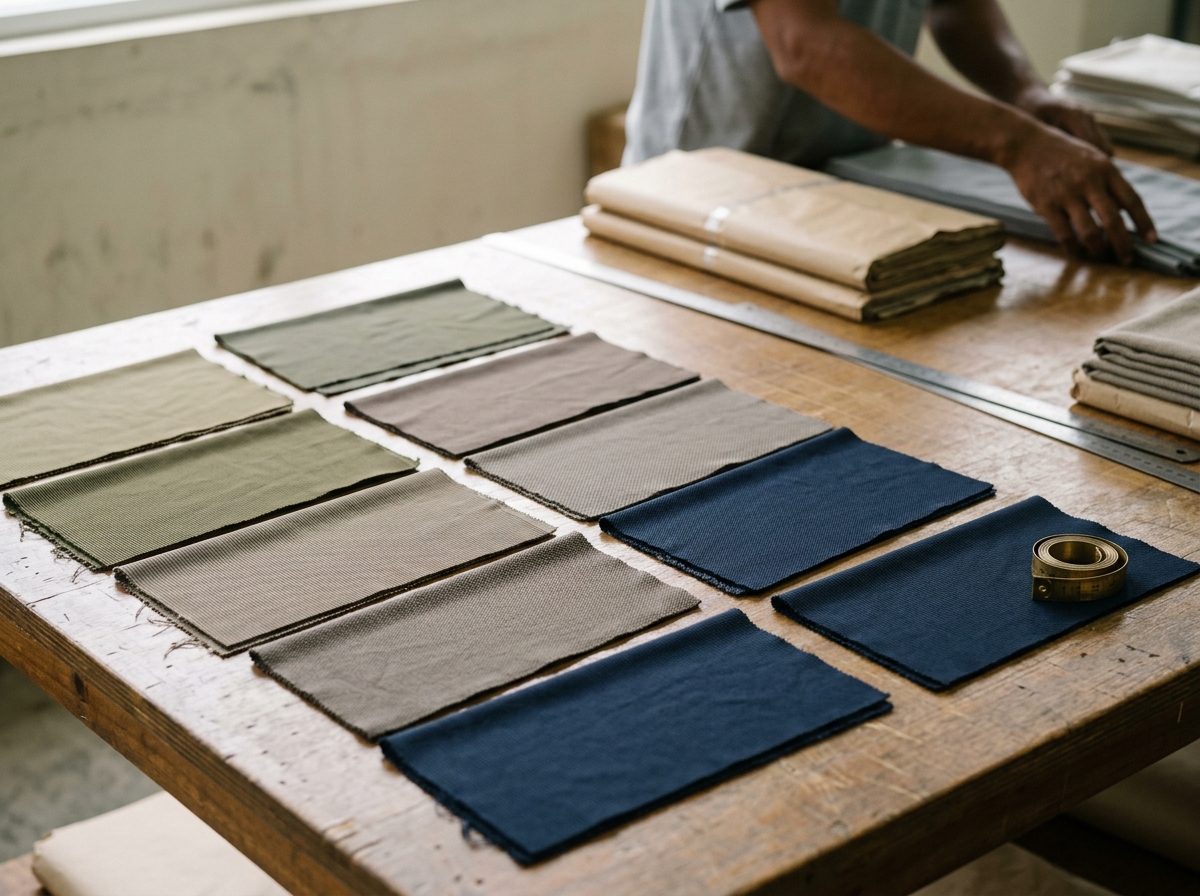
Most established Indonesian activewear manufacturers source or knit poly-spandex (typically 80/20 or 88/12 polyester-spandex) and nylon-spandex (commonly 80/20 nylon-spandex) domestically or via short supply chains from regional mills. Four-way stretch is standard on any competent factory's capability list. Nylon-spandex commands a price premium over polyester-spandex but delivers superior hand-feel — preferred for premium leggings and sports bras.
Confirm that a factory's fabric supplier can provide mill certifications and fabric test reports. Some factories carry stock fabric; others require minimum fabric yardage per colourway, which affects your effective MOQ.
Recycled and Sustainable Fabric Options
The availability of recycled polyester (rPET) fabric in Indonesia has expanded significantly. rPET yarns are primarily sourced from certified mills in Taiwan, South Korea, and domestic Indonesian suppliers. Look for fabrics certified under the Global Recycled Standard (GRS) — this certification verifies recycled content claims through the full supply chain. Some Indonesian factories have secured GRS scope certificates at the facility level, meaning they can pass through GRS-certified products to your brand.
Oeko-Tex Standard 100 certification on fabrics confirms the absence of harmful substances. bluesign-approved fabrics meet stricter environmental and safety standards covering chemical inputs, water, and energy use. Not every Indonesian factory sources bluesign fabrics by default — request this explicitly during RFQ.
Moisture-Wicking, Compression, and UPF Fabrics
Moisture-wicking is a fabric construction and finish property. Most poly-spandex fabrics knitted for activewear perform this function by design. Ask factories for third-party test data — specifically AATCC 195 (liquid moisture management) — rather than accepting generic marketing claims.
Compression fabrics require tighter knit construction and higher spandex content, typically 20–30%. Confirm that a factory's knitting partner can produce the required denier and compression rating. UPF-rated fabrics for outdoor sportswear require independent lab testing — look for UPF 30+ or UPF 50+ ratings verified by an accredited lab.
Construction Techniques That Define Premium Activewear Quality
Flatlock Seaming and Bonded Construction
Flatlock seam stitching is the baseline for performance activewear. It reduces chafe, lies flat against the skin, and creates a clean aesthetic. Any factory claiming activewear specialisation must operate flatlock machines. Ask for a seam allowance specification and confirm thread count per centimetre during sample review.
Bonded and seamless construction is available at a subset of Indonesian factories — primarily in the Bandung and Jakarta clusters. Bonded construction uses heat-activated adhesive tape in place of traditional seams, producing a smooth interior surface preferred in compression and premium yoga styles. Seamless knitting (circular knit technology) requires specialised machinery. Confirm which specific machines a factory owns before committing a seamless program.
Printing Methods: Sublimation Versus Screen Printing
| Method | Best For | Colour Depth | Factory Investment Required | Indonesian Availability |
|---|---|---|---|---|
| Dye sublimation | All-over prints, gradients, photographic detail | Excellent on poly | Moderate | Widely available |
| Screen printing | Solid logos, lettering on dark fabrics | Good | Low | Widely available |
| Heat transfer | Labels, small logo placement | Moderate | Low | Widely available |
| Direct-to-film (DTF) | Short-run custom graphics | Good | Moderate | Growing availability |
Sublimation printing works only on polyester-content fabrics (typically 80%+ polyester). It produces vibrant, durable prints that do not crack or peel. This makes it standard for sports jerseys, cycling kits, and printed yoga wear. Screen printing suits nylon-spandex garments where sublimation is not viable.
Laser Cutting and Clean-Finish Details
Laser cutting seals fabric edges simultaneously with cutting, eliminating raw edges on bonded styles and reducing hemming requirements. This technique is increasingly available at mid-to-large Indonesian factories targeting premium export markets. Heat-transfer labeling replaces woven neck labels — improving comfort and creating a cleaner interior. Both are markers of a factory oriented toward premium activewear production.
Fit Development, Grading, and Tech Pack Support at Indonesian Factories
Preparing a Tech Pack for Performance Activewear
A tech pack for activewear handed to an Indonesian factory should include, at minimum:
- Flat sketches with measurement points annotated - Fabric specification: composition, weight (GSM), stretch percentage, finish - Construction callouts: seam type, stitch type (flatlock, coverstitch), seam allowance - Print artwork files (vector) with colourway breakdown - Trim specifications: waistband width and construction, label placement, logo application method - Size spec sheet with graded measurements for each size - Testing requirements: stretch recovery %, colorfastness standard, pilling resistance
A vague or incomplete tech pack is the single largest cause of proto sample failures. Factories interpret gaps in their own interest. Provide explicit specifications for every critical attribute.
US and EU Size Grading
Indonesian factories typically grade patterns using their own regional size charts unless instructed otherwise. US brands must supply a completed US size spec sheet (XS through XL or 2XL) with precise measurements per size. Confirm the grade increment between sizes — typically 1 inch on chest and hip for activewear. Some factories can accommodate UK/EU grading in parallel for brands selling across markets.
Sample Iteration Timelines
A realistic sample development timeline with an Indonesian factory looks like this:
- Proto sample: 2–4 weeks from approved tech pack and fabric receipt - Fit sample (after feedback): 2–3 weeks - Pre-production (PP) sample: 1–2 weeks following approved fit sample - Bulk production: 45–75 days depending on order size and factory load
Total time from tech pack submission to production start typically runs 8–14 weeks. Build this into your launch calendar.
MOQ Structures and Sample Programs for Emerging Activewear Brands
MOQ Ranges by Factory Tier
| Factory Tier | Typical MOQ per Style | Best For | Sample Program |
|---|---|---|---|
| Small specialist (Bali/Bandung) | 50–150 units per colourway | Startups, limited drops | Paid samples, 2–4 week lead |
| Mid-tier export factory | 200–500 units per style | Growing brands, multi-SKU | Paid samples, 2–3 week lead |
| Large export manufacturer | 500–1,000+ units per style | Scaling brands, retail supply | Proto sample charges apply |
Sublimation-printed styles often carry lower cut-and-sew MOQs (sometimes 50–100 pieces per design) because printing setup costs are lower than screen printing. Cut-and-sew with multiple colourways in plain fabric typically requires a colourway minimum of 50–100 units per colour.
Negotiating Lower MOQs as a New Brand
Factories quote MOQs based on production efficiency thresholds. Several approaches reduce initial commitment:
- Consolidate colourways: run two colours in the same style on a shared production order - Start with one hero product rather than a full range - Offer a letter of intent for follow-on volume tied to sell-through performance - Pay a slightly higher per-unit price in exchange for a lower unit commitment - Target smaller specialist factories rather than large-volume export manufacturers
Compliance, Testing, and Certifications US Brands Must Verify
US Regulatory Standards for Activewear
Activewear sold in the United States must comply with CPSC (Consumer Product Safety Commission) regulations. For adult activewear, primary concerns include:
- ASTM D4966 (Martindale abrasion/pilling) — relevant for nylon-spandex panels - ASTM D5034 / D5035 — tensile strength testing for stretch fabrics - AATCC 61 — colorfastness to laundering - AATCC 195 — liquid moisture management (wicking performance) - Children's activewear triggers additional CPSC requirements including CPSIA lead and phthalate testing
Require a factory to confirm which test standards it routinely runs and which third-party lab it uses. Acceptable labs include SGS, Bureau Veritas, Intertek, and QIMA.
Social Compliance Audits
For Indonesian activewear factories, relevant social compliance frameworks include:
- BSCI (Business Social Compliance Initiative) — widely recognised by European and US retailers - WRAP (Worldwide Responsible Accredited Production) — common in South and Southeast Asia - SA8000 — stricter standard covering living wages and management systems
Request the most recent audit report. Audits older than two years should trigger a re-audit requirement. Factories unable to produce any audit documentation represent elevated supply chain risk for US retail and wholesale buyers.
Environmental Certifications
- GRS — verifies recycled content claims at fabric and facility level - Oeko-Tex Standard 100 — confirms fabric safety (no restricted substances) - bluesign — covers responsible chemical, water, and energy use in fabric production
- ✓Most recent BSCI or WRAP audit report
- ✓Oeko-Tex Standard 100 certificate for primary fabric
- ✓GRS scope certificate (if sustainable line)
- ✓Third-party lab test report for colorfastness and stretch recovery
- ✓Business registration / NIB (Nomor Induk Berusaha) Indonesia
- ✓Export licence confirmation
- ✓Factory floor plan and capacity statement
How to Vet and Shortlist the Right Indonesian Activewear Sportswear Manufacturers
Due Diligence Questions for Factory Discovery
Before requesting samples, ask every candidate factory:
- What percentage of production is activewear or performance apparel versus other categories? - Do you own your knitting and cutting equipment or subcontract? - Which fabric mills do you use for nylon-spandex and rPET? - Can you provide references from current US or European brand clients? - What is your on-time delivery rate for the last 12 months? - Do you hold BSCI, WRAP, or equivalent audit status?
Factories that deflect, give vague answers, or cannot provide references should be deprioritised.
Remote Vetting Workflow for US Brands That Cannot Visit Indonesia
Most emerging US brands cannot afford factory visits at the discovery stage. A structured remote vetting protocol reduces risk:
1. Video factory tour — request a live walkthrough via video call, not a pre-recorded marketing video. Note the equipment visible and ask the guide to walk the cutting room, sewing floor, and QC station. 2. Document review — request business registration (NIB), export licence, and any current audit certificates. Cross-reference the business name and address. 3. Customs data verification — platforms such as ImportGenius and Panjiva allow you to search Indonesian export records by factory name. Confirm that the factory ships the claimed volume to claimed markets. 4. Reference calls — contact at least two existing clients directly. Ask specifically about on-time delivery, sample accuracy, and responsiveness during production problems. 5. Third-party inspection agency — companies like QIMA or Bureau Veritas can conduct a paid factory audit in Indonesia for a fixed fee. This is the highest-confidence remote vetting option.
Trade Directories and Sourcing Platforms
Verified sourcing platforms for Indonesian activewear manufacturers include export trade portals, regional trade associations, and B2B sourcing platforms. Filter results to factories with verifiable audit status rather than relying solely on self-reported capabilities. Bali-based activewear sourcing agents with factory networks can add value for brands targeting premium sustainable positioning in that cluster.
Logistics, Lead Times, and Shipping from Indonesia to the United States
Production Lead Times
- First order (new style): typically 90–120 days from approved PP sample, including sampling phases - Repeat order (existing style, approved fabrics): typically 45–75 days from order confirmation - Bulk production only (styles and fabrics pre-approved): 30–60 days depending on factory capacity
These are directional estimates. Factories near capacity during peak season (commonly Q3–Q4) may add 2–4 weeks.
Sea Freight Versus Air Freight
| Shipping Mode | Transit Time (Indonesia to US West Coast) | Cost Relative to Goods Value | Best For |
|---|---|---|---|
| Sea freight (FCL) | Approximately 18–25 days | Low (typically 3–8% of FOB) | Orders above approximately 500kg / full containers |
| Sea freight (LCL) | Approximately 20–30 days | Moderate | Smaller first orders, test runs |
| Air freight | 3–6 days | High (typically 15–30% of FOB) | Urgent restocks, small sample shipments |
Most activewear brands use sea freight for production orders and air freight for samples and time-sensitive restocks. Air freight on bulk activewear shipments erodes margin significantly.
Port Options and Routing
Indonesia's primary export port for the Jakarta and Bandung manufacturing corridor is Tanjung Priok (Port of Jakarta) — the country's largest and most connected container terminal. Bali-origin shipments typically route through Benoa port or tranship via Surabaya to Tanjung Priok for onward routing to US West Coast ports (Los Angeles, Long Beach).
HTS Codes and US Import Duties
US customs classification for Indonesian activewear depends on fabric composition and construction. Key HTS chapters:
- Chapter 61 — knitted or crocheted garments (applies to most cut-and-sew activewear) - 6112 — tracksuits, ski suits, swimwear, knitted; includes many activewear categories - 6104 / 6106 — women's knitted tops and bottoms
Poly-spandex leggings and sports bras typically fall under Chapter 61 subheadings. Standard US duty rates on knitted apparel from Indonesia commonly range from approximately 12% to 32% depending on exact classification. A licensed US customs broker should classify your specific products before you build a cost model. Misclassification creates retroactive duty liability.
Frequently Asked Questions
What is the typical MOQ for custom activewear manufacturers in Indonesia? MOQs range from approximately 50 units per colourway at small Bali and Bandung specialist factories to 500–1,000 units per style at larger export manufacturers. Sublimation-printed styles often have lower effective MOQs than plain cut-and-sew styles.
Do Indonesian activewear factories support recycled or sustainable fabrics? Yes. rPET fabrics are available through certified mills supplying Indonesian factories. GRS-certified fabric and facility-level GRS scope certificates are obtainable. Request specific certifications in writing and verify via the GRS certificate database.
How long does sampling and production take with an Indonesian manufacturer? Proto sampling takes 2–4 weeks from tech pack approval. A full development cycle (proto, fit, pre-production) runs 8– approximately 14 weeks. Bulk production adds 45– approximately 75 days. Total time from initial inquiry to goods-ready typically runs 4–6 months for a first program.
What compliance certifications should I require from an Indonesian activewear supplier? At minimum: BSCI or WRAP social audit, Oeko-Tex Standard 100 for primary fabric, and third-party lab testing for colorfastness and stretch recovery. Add GRS certification if marketing recycled content. Verify all documents directly with the certifying body.
Can Indonesian factories handle sublimation printing and bonded construction in-house? Sublimation printing is widely available in-house at Indonesian activewear factories. Bonded construction capability is less universal — it requires specific heat-bonding equipment. Confirm in-house ownership of bonding equipment versus subcontracting before committing a bonded style program.
Is it cheaper to manufacture activewear in Indonesia than in China or Vietnam? Indonesia generally offers a lower FOB cost than China for comparable poly-spandex activewear. The gap versus Vietnam is smaller. Total landed cost — factoring in duties, freight, and compliance costs — determines the real answer for your specific product mix. Model all three countries before committing.
Indonesia offers a compelling combination of technical fabric access, construction capability, and cost position for US activewear brands at multiple stages of growth. The most important decisions — factory tier selection, tech pack rigour, compliance verification, and logistics planning — all happen before bulk production starts.
You now have the framework to evaluate Indonesian manufacturers with commercial discipline. The next step is getting physical samples from vetted factories into your hands.
You have evaluated the sourcing landscape and know what to look for. Requesting samples from pre-screened Indonesian activewear and sportswear manufacturers is the fastest way to validate production quality against your specifications before committing to a bulk order.
Request Samples Today →Need eyes on the ground in Indonesia?
MTS is an execution partner — supplier verification, manufacturing management, quality control and export logistics across Indonesia, Vietnam and China.
Related services
Related articles
Receive furniture sourcing insights across Asia.
One email per week. No spam.