Blog
Sourcing insights, factory audits and Asia trade guides.
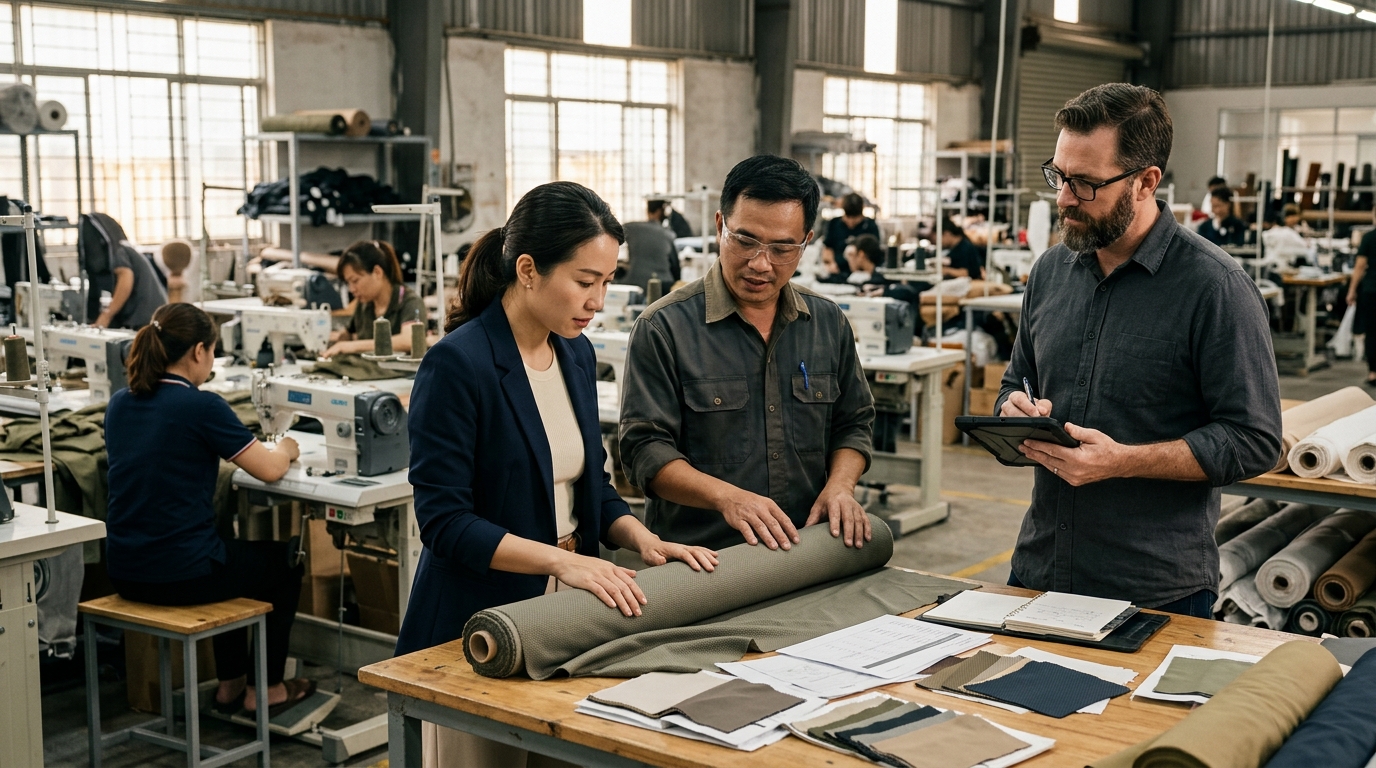
Asia Supply Chain Diversification: B2B Risk Management Across Manufacturing Countries
Relying on a single Asian manufacturing country exposes your business to geopolitical shifts, port disruptions, and currency swings that a diversified supply base can absorb. This guide walks procurement and supply-chain leaders through the practical mechanics of multi-country sourcing across Asia.
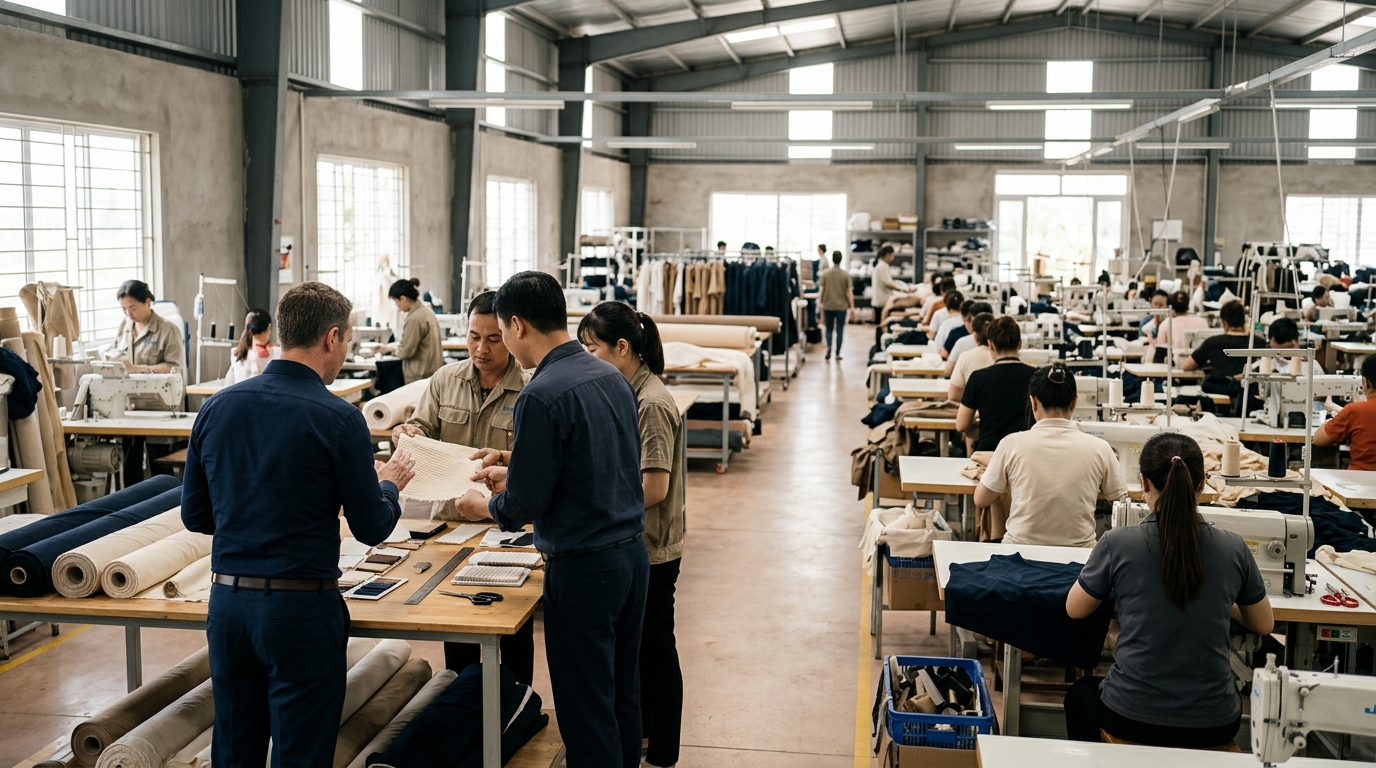
Asian Manufacturers Compared: A B2B Supplier Evaluation Framework
Choosing between manufacturer candidates across China, Vietnam, Thailand, Indonesia, Malaysia, and the Philippines requires a structured scoring approach — not gut feel. This framework gives procurement teams a repeatable method for evaluating quality baseline, MOQ elasticity, lead-time discipline, communication, IP posture, and trade-deal exposure.
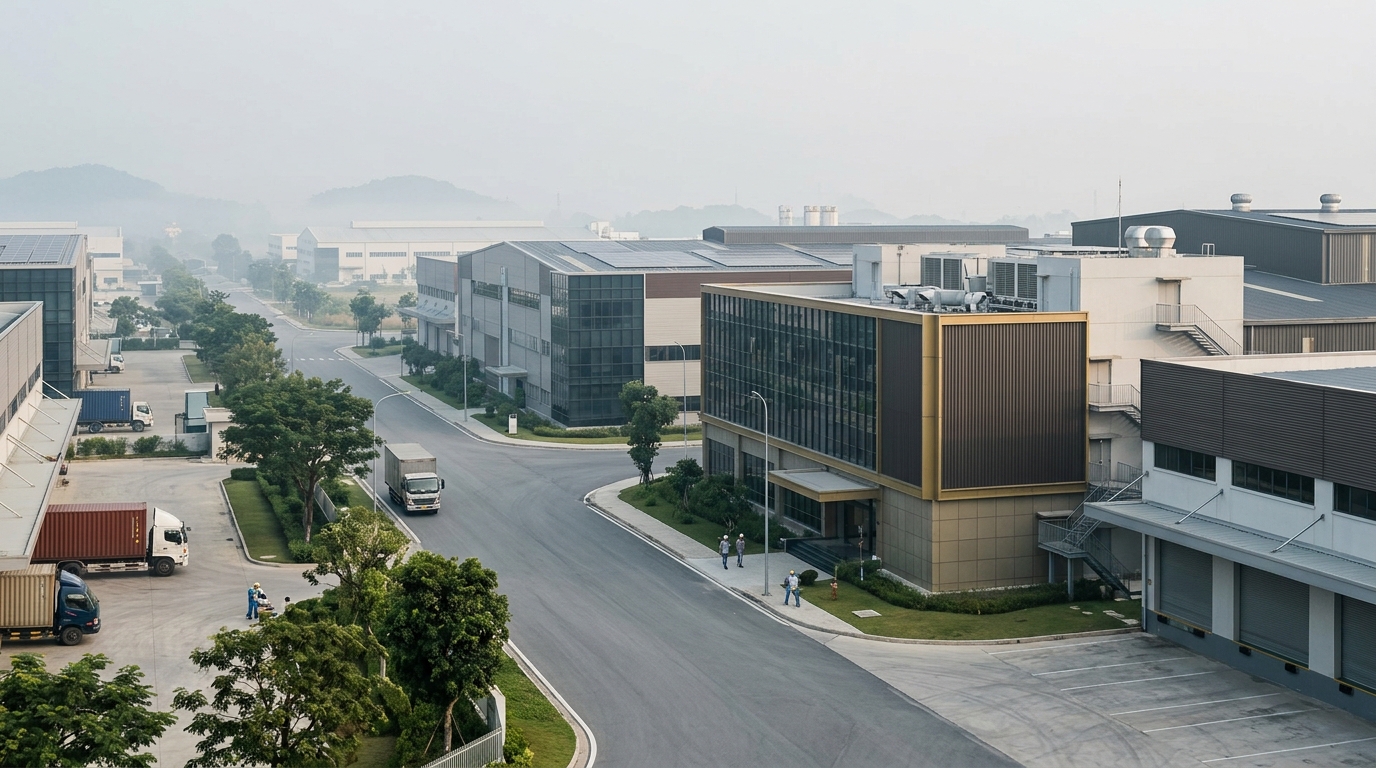
China Plus One Strategy Implementation: A B2B Buyer's Practical Playbook
Moving production out of China entirely is rarely the goal — building a sourcing structure that doesn't collapse when one node fails is. This playbook covers how to run pilots in Vietnam and Indonesia, set up dual-sourcing frameworks, and normalize costs across geographies so your decisions are based on real data.
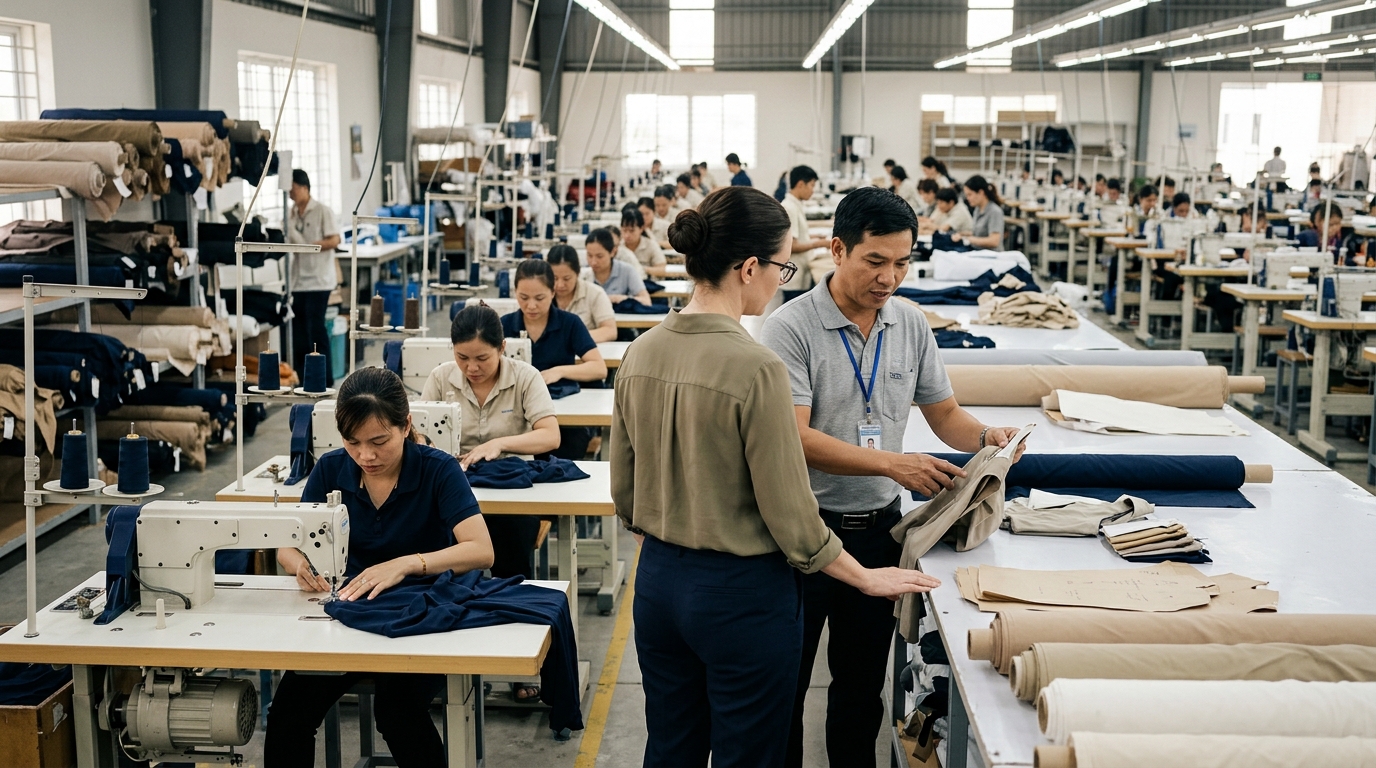
Manufacturing in Southeast Asia: A B2B Comparison of Vietnam, Indonesia, Thailand, Malaysia and the Philippines
Vietnam, Indonesia, Thailand, Malaysia, and the Philippines each offer a distinct manufacturing profile — different cost structures, sector strengths, trade-deal exposure, and IP environments. This guide cuts through the surface-level comparisons to help procurement managers and brand owners match the right country to their specific sourcing brief.
ASEAN Free Trade Area: B2B Sourcing Implications for Cumulation and Rules of Origin
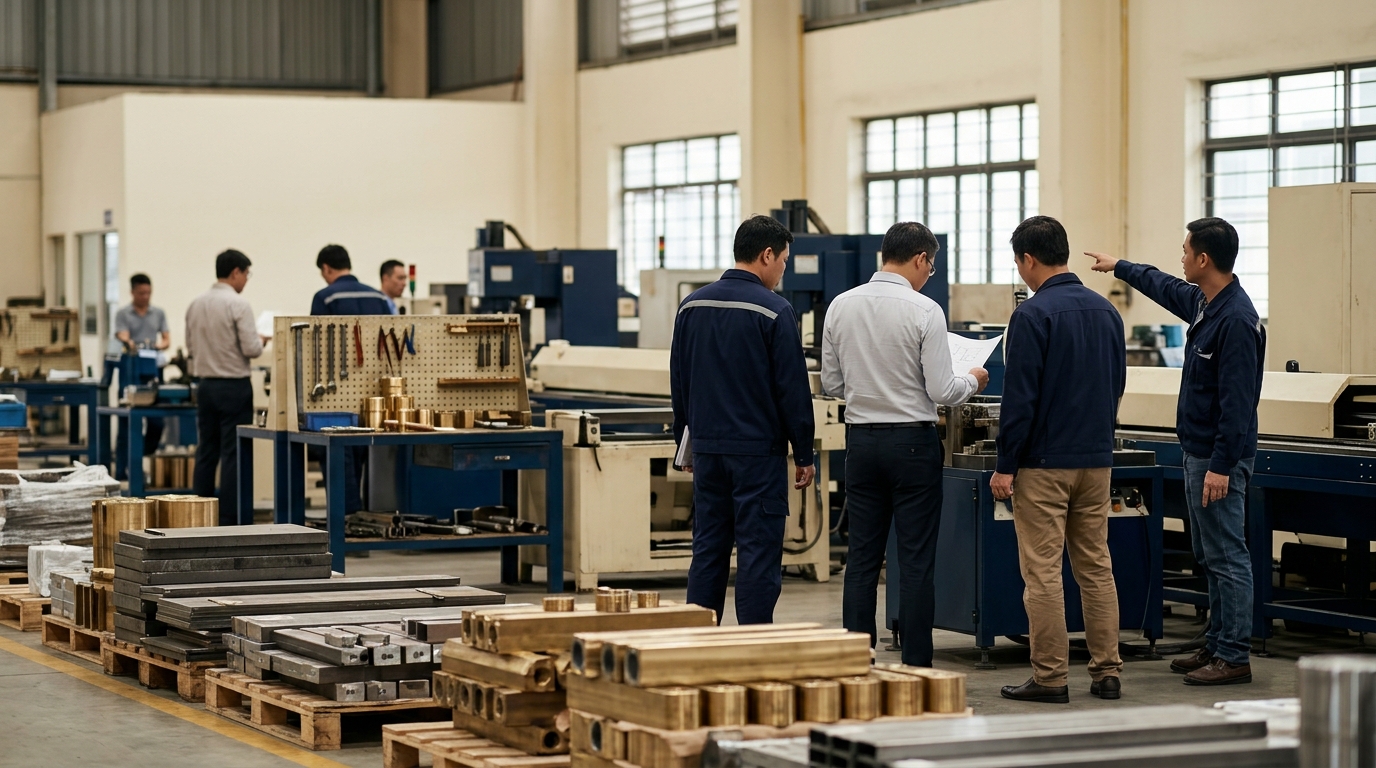
The ASEAN Free Trade Area offers real duty savings for importers — but only if your supply chain is structured to satisfy cumulation rules and origin thresholds. This guide explains how procurement teams can use multi-country manufacturing across ASEAN to qualify for preferential tariff treatment under ATIGA and RCEP.

Asia Wholesale Market: B2B Buyer's Navigation Guide Across Manufacturing Hubs
The Asia wholesale market spans dozens of manufacturing hubs with different cost profiles, capability depths, and compliance environments — this guide maps each major country so B2B buyers can match sourcing decisions to business requirements.
Philippines Customs and Bureau of Customs Guide: B2B Import Trade Compliance
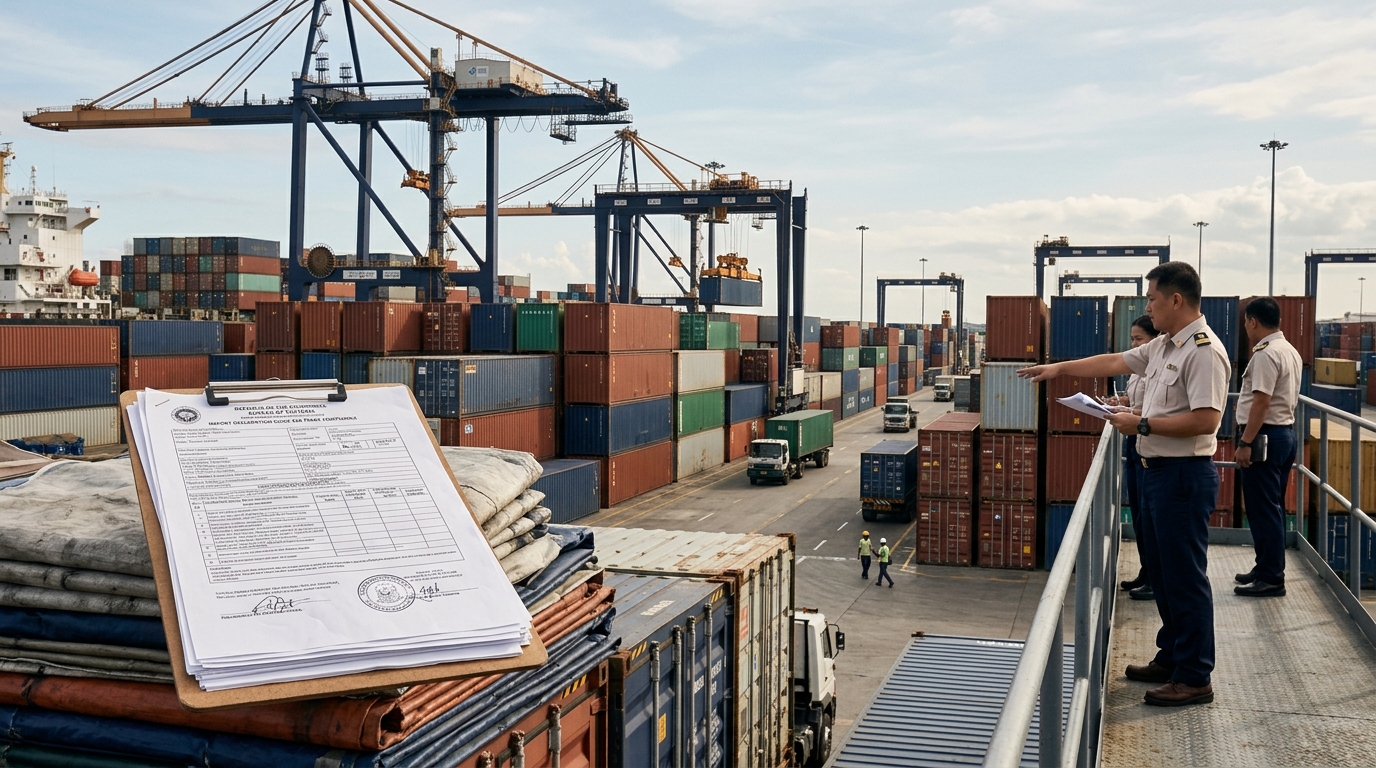
Importing through the Philippines Bureau of Customs requires accurate declarations, correct preferential origin forms, and familiarity with the e2m system — errors at any stage trigger holds, re-examination fees, or duty reassessment. This guide covers the declaration process, ATIGA and RCEP certificate requirements, restricted commodity controls, and how to work with accredited filers.
Philippines Furniture Manufacturers Cebu: A B2B Sourcing Guide for Retail and Hospitality Buyers — Furniture Source Philippines
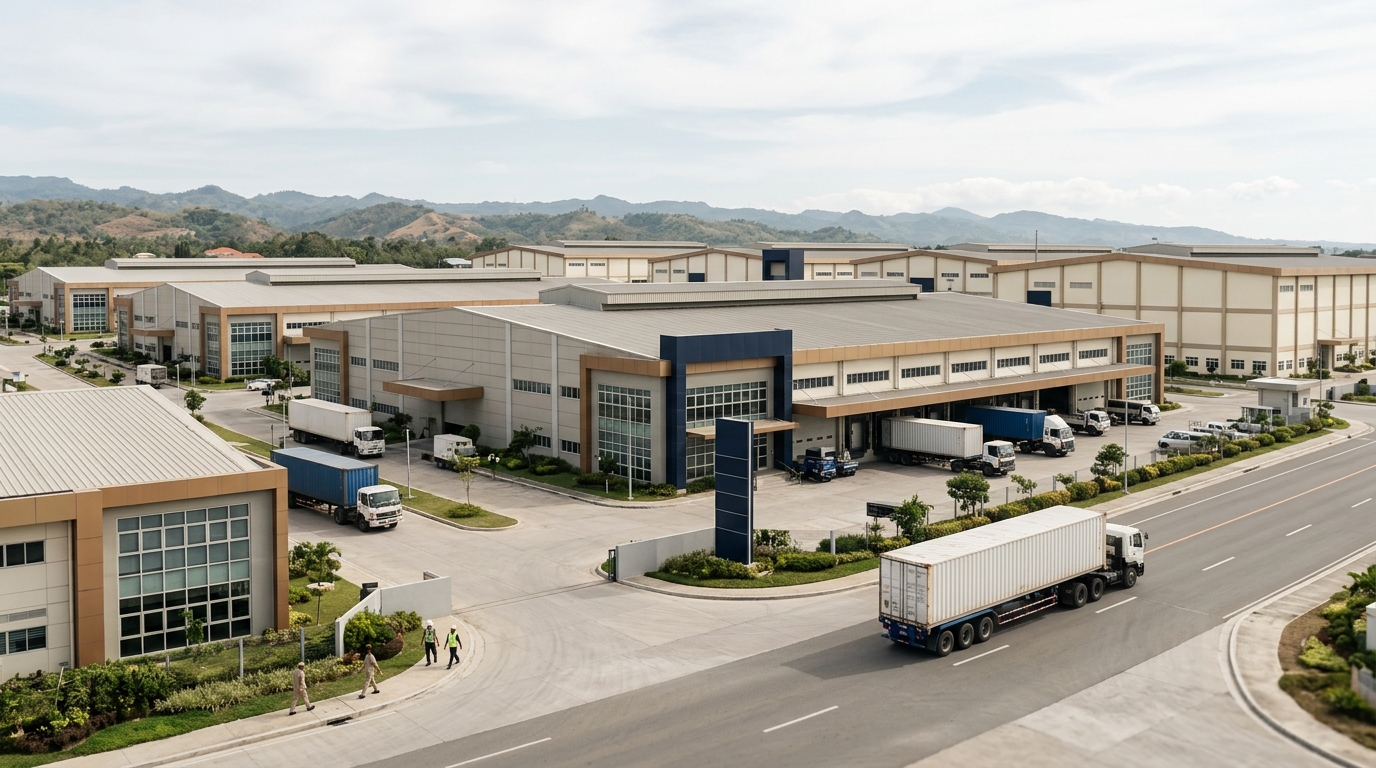
Cebu is the Philippines' primary furniture manufacturing hub, combining skilled craft traditions in rattan, abaca, and hardwood with export infrastructure capable of serving retail chains and hospitality FF&E programs at scale. This guide covers supplier selection, MOQ norms, lead times, freight logistics, and compliance requirements for international buyers.
Philippines Exports: A B2B Buyer's Overview of Manufacturing and Trade Categories
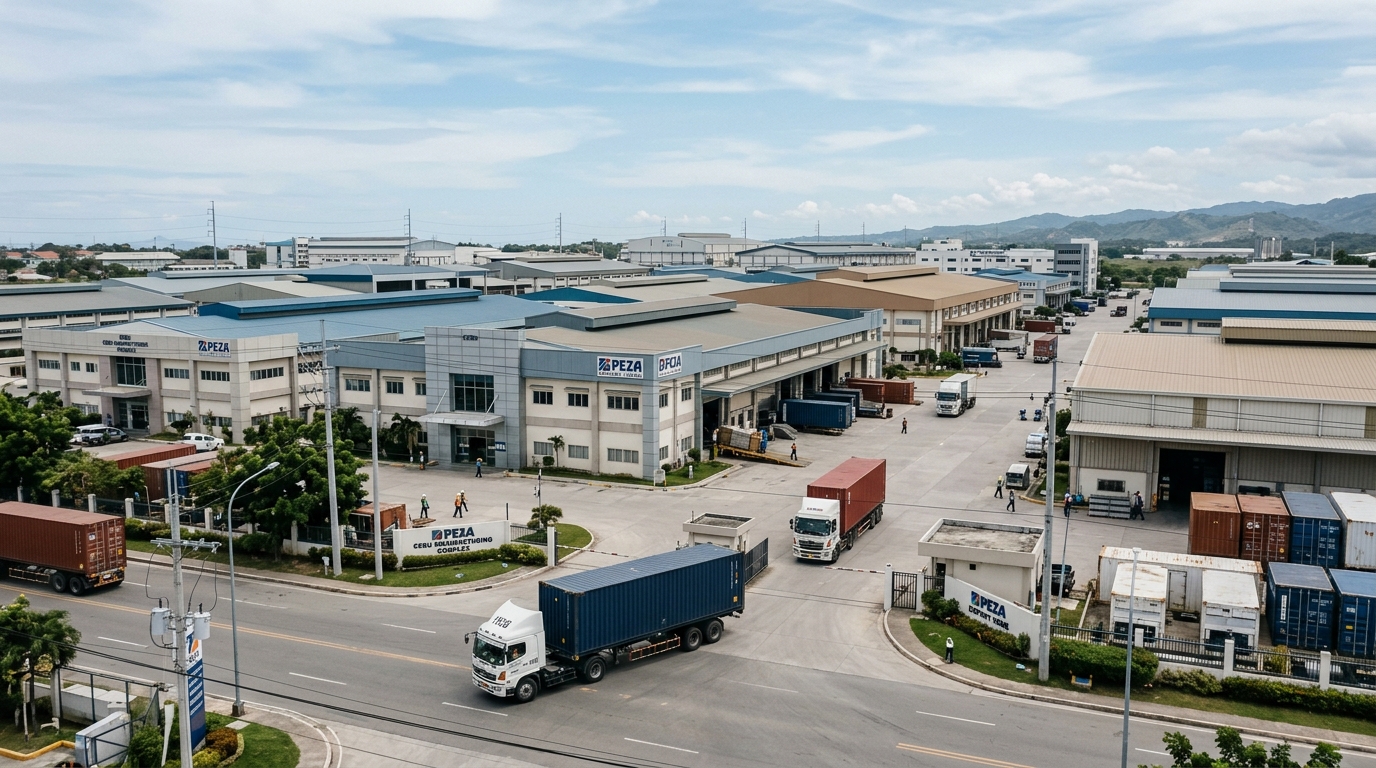
The Philippines is a mid-tier export economy with established strengths in electronics, garments, processed foods, and minerals — and a growing role in RCEP-linked supply chains. This guide helps procurement and sourcing teams understand which categories perform, where complexity concentrates, and how to structure a reliable buying program.
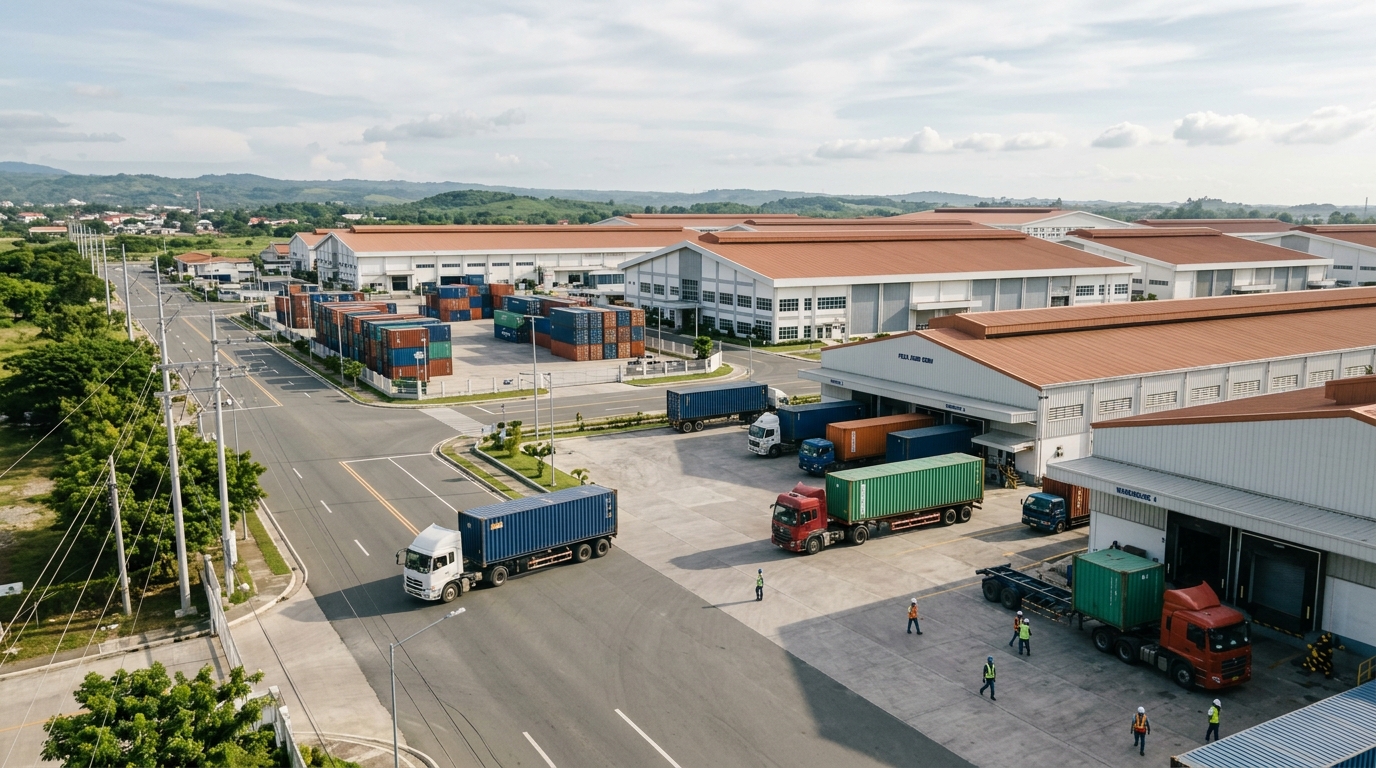
Outsourced Philippines Manufacturing: B2B Sourcing Guide for International Buyers
The Philippines offers international buyers a mature contract manufacturing base across furniture, garments, food processing, and electronics — anchored by export-zone incentives and an English-speaking workforce. This guide maps the landscape so procurement teams can evaluate suppliers and structure programs with confidence.

Philippines Supplier Verification: B2B Manufacturing Due Diligence Playbook
Verifying a Filipino supplier means more than checking a business card — it requires cross-referencing SEC registration, DTI records, PEZA or BOI incentive status, and an on-ground factory visit before you commit purchase capital.
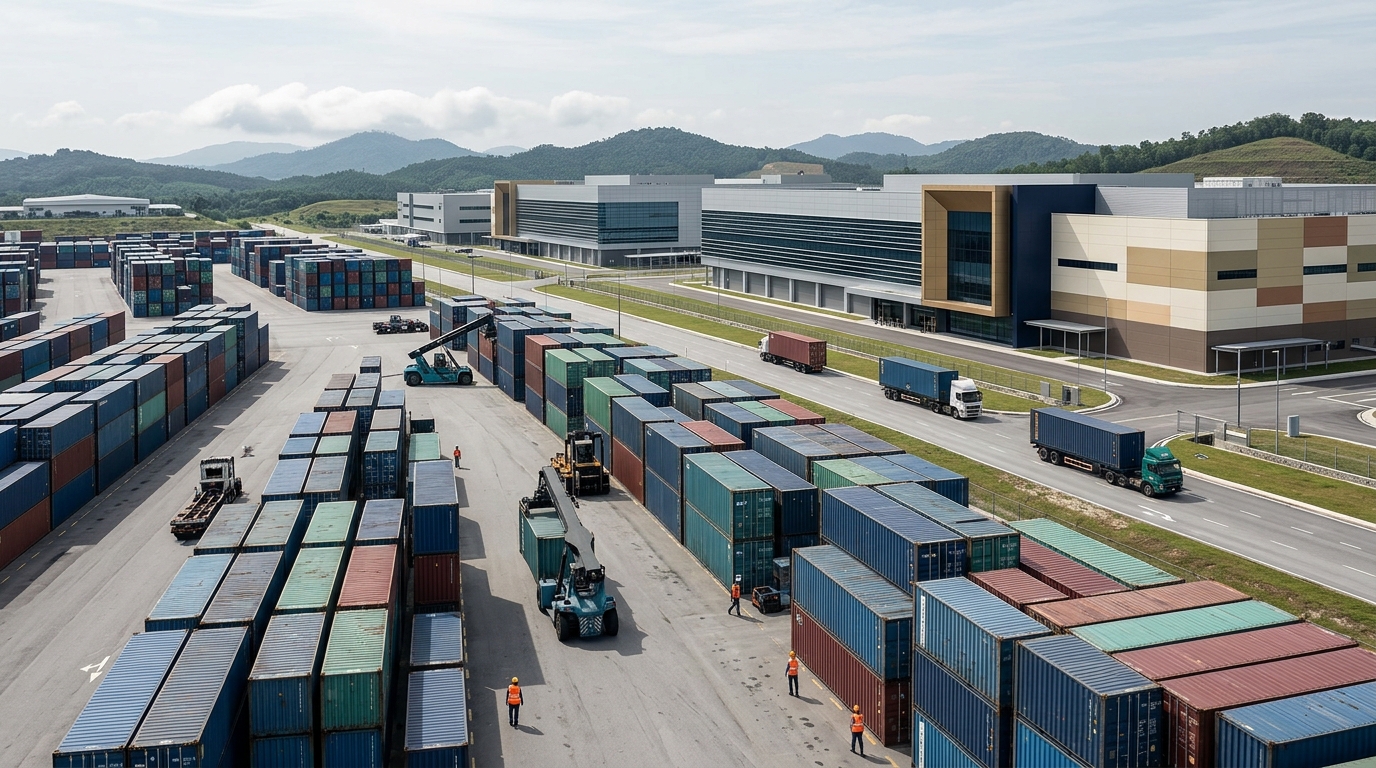
Malaysia Trade Deals: CPTPP, RCEP and Preferential Sourcing Implications for B2B Buyers
Malaysia's overlapping trade agreements — CPTPP, RCEP, and a network of ASEAN FTAs — create measurable duty advantages for global buyers, but only when rules of origin and documentation are handled correctly. This guide explains how each framework works and where procurement teams should focus.