Blog
Sourcing insights, factory audits and Asia trade guides.
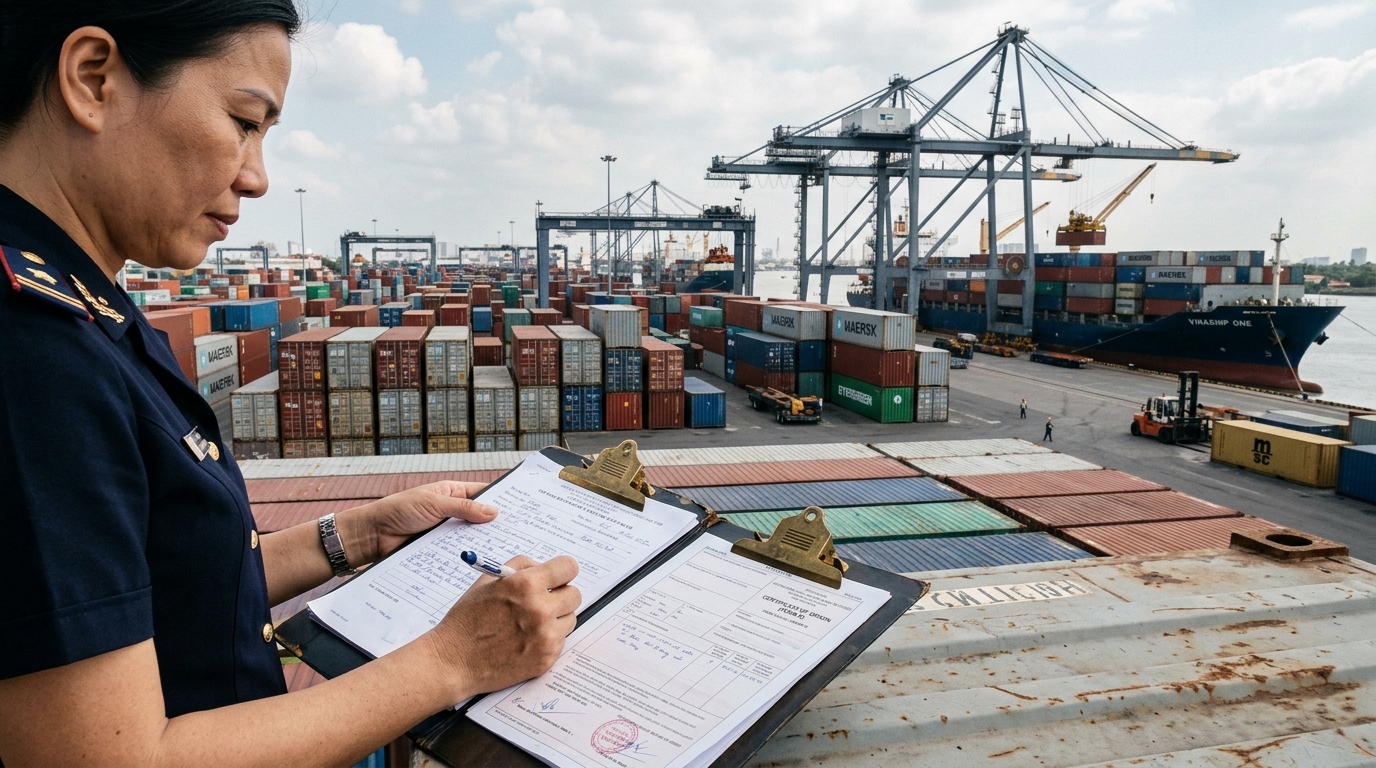
Vietnam Import Documentation Requirements and Rules of Origin After the China+1 Shift
As sourcing shifts from China to Vietnam accelerates, customs authorities worldwide are applying tighter scrutiny to Vietnam-origin shipments — particularly around rules of origin and anti-circumvention. Understanding what documentation is required, and what holds up to examination, is no longer optional for importers.
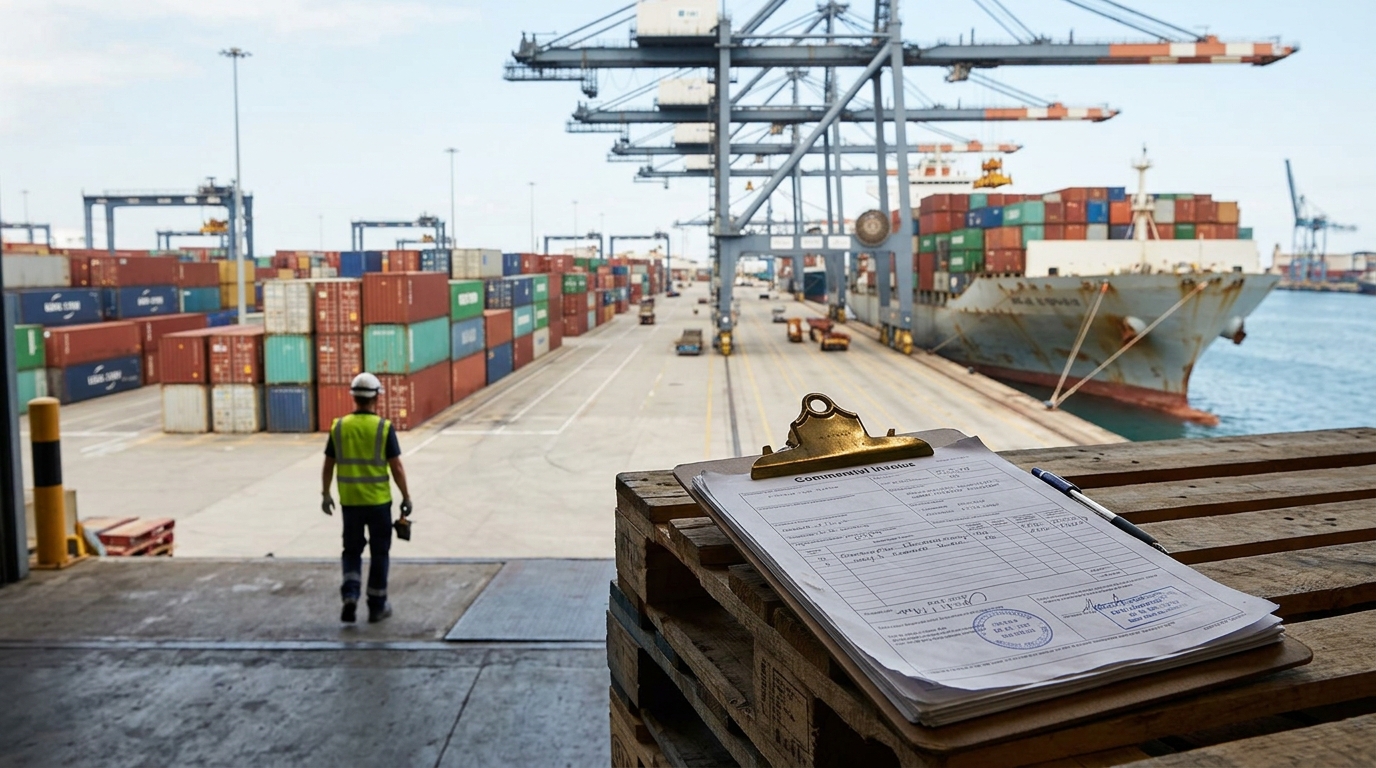
Commercial Invoice Customs Requirements: The Fields That Trigger Examination
A commercial invoice is the document customs authorities rely on most heavily to assess duties, verify origin, and decide whether a shipment warrants examination. Understanding exactly which fields trigger scrutiny — and where Asia-based suppliers most commonly make errors — is the fastest way to reduce customs delays and unexpected duty bills.

Freight Forwarder Documentation Responsibilities vs. Documentation Operator: Why You Need Both
Most import delays trace back to a single misconception: that the freight forwarder is responsible for document accuracy. Understanding exactly where freight forwarder documentation responsibilities end — and where a documentation operator must begin — is the clearest step an importer can take toward cleaner customs clearance.

RCEP Certificate of Origin Requirements: Does Your Supplier's Document Actually Qualify?
RCEP preferential duty rates are only available when the certificate of origin is technically correct — and supplier-issued documents fail that test more often than importers realise. This article explains exactly what RCEP certificate of origin requirements demand and where errors most commonly occur.

HS Code Misclassification Cost: The Hidden Risk Destroying Your Landed Cost Budget
A single wrong HS chapter heading can trigger cascading duty bills, anti-dumping exposure, and customs holds that no landed cost model anticipated. This article explains how misclassification happens, what it costs, and how to prevent it before goods leave the factory.

Single Counterparty Trade Structure B2B: How One Contract Replaces Five in Cross-Border Procurement
When you source across multiple Asian origins, every supplier adds a new contract, invoice set, payment rail, and documentation obligation. A single counterparty trade structure B2B solves that by consolidating the entire commercial relationship into one entity — one contract, one invoice, one point of accountability.

How to Structure Payment Terms When Importing from Asia: A Practical Guide
Choosing the wrong payment structure when importing from Asia can expose your business to supplier default, currency risk, or frozen cash flow. This guide covers TT, LC, open account, and escrow arrangements — when each is appropriate, what risk each carries, and how to negotiate better terms as your volume and relationship matures.

Trading Company vs Sourcing Agent vs Freight Forwarder: What's the Difference?
When you're importing from Asia, the titles 'trading company', 'sourcing agent', and 'freight forwarder' are often used interchangeably — but they represent fundamentally different roles, accountabilities, and legal relationships. Understanding who holds title, who carries risk, and who you have recourse against is the difference between a structured trade and an expensive lesson.

The Real Cost of Cross-Border Trade Counterparty Risk in Unmanaged Imports
Most importers underestimate how many separate parties, contracts, and payment instructions sit inside a single unmanaged cross-border transaction. This article maps each junction, names what goes wrong there, and explains why consolidating to a single structured counterparty changes the risk profile of your entire sourcing operation.

Incoterms 2020 Guide for Importers: Which Terms Actually Protect You
Choosing the wrong Incoterm on an Asian import shipment can shift liability, inflate landed costs, and leave you with no legal recourse when something goes wrong. This guide cuts through the glossary and tells you which terms work in your favour — and which hand control to your supplier.

Factory Audit Vietnam: Labour Laws, Common Findings, and What Buyers Must Know
Vietnam has become one of Asia's most active manufacturing destinations, but its regulatory environment carries specific obligations that generic audit checklists routinely miss. This guide covers the labour law framework, the compliance findings that appear most often in Vietnamese factories, and how buyers can commission a factory audit in Vietnam that produces evidence worth acting on.

Supplier Audit Non-Conformance and Corrective Action: A Buyer's CAPA Guide
A failed factory audit is not the end of a supplier relationship — but only if you respond with a structured corrective action plan. This guide walks buyers through classifying non-conformances, setting realistic CAPA timelines, and verifying that remediation is real.