Blog
Sourcing insights, factory audits and Asia trade guides.
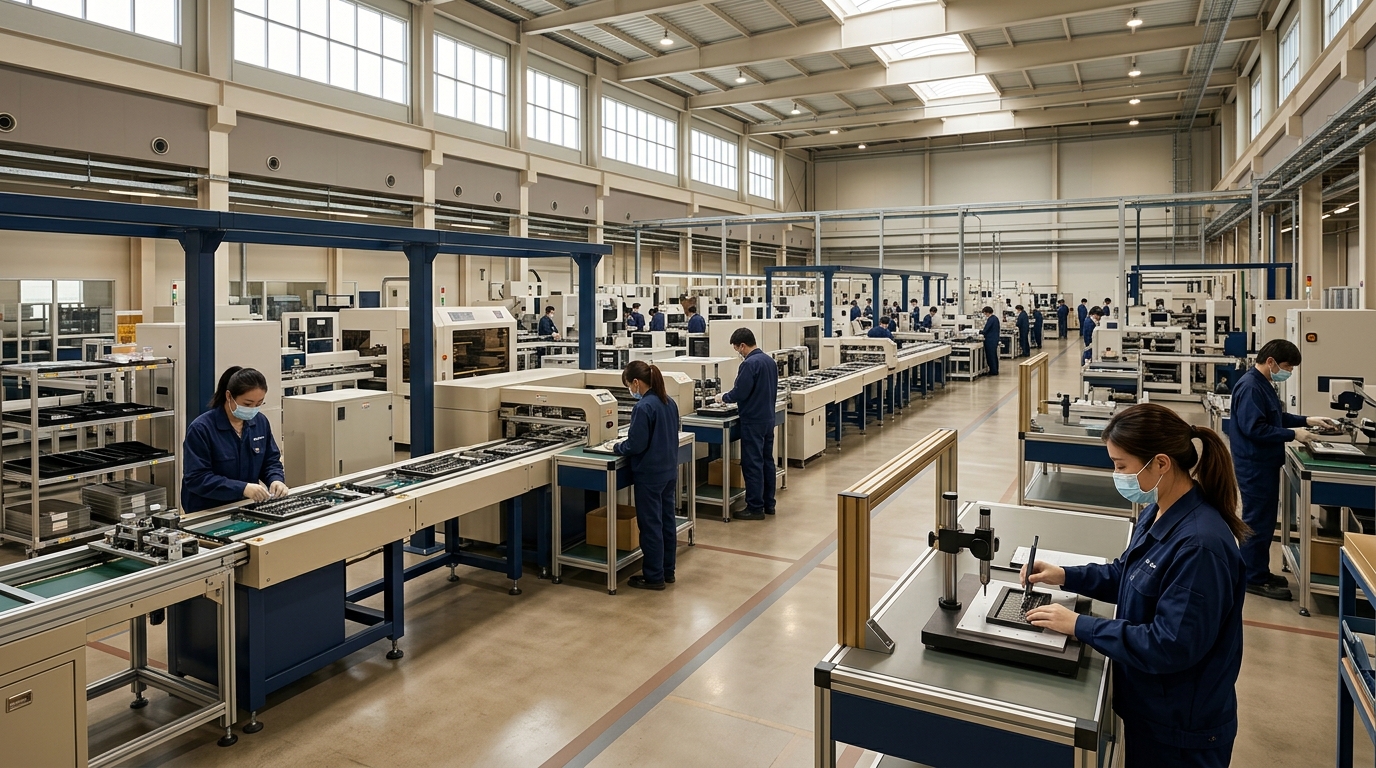
How to Conduct a Factory Capability Audit Before Placing Your First Large Order
A factory capability audit gives you verified evidence of what a supplier can actually deliver before you commit purchase capital. This guide walks through what to assess, what red flags mean, and how to act on findings.
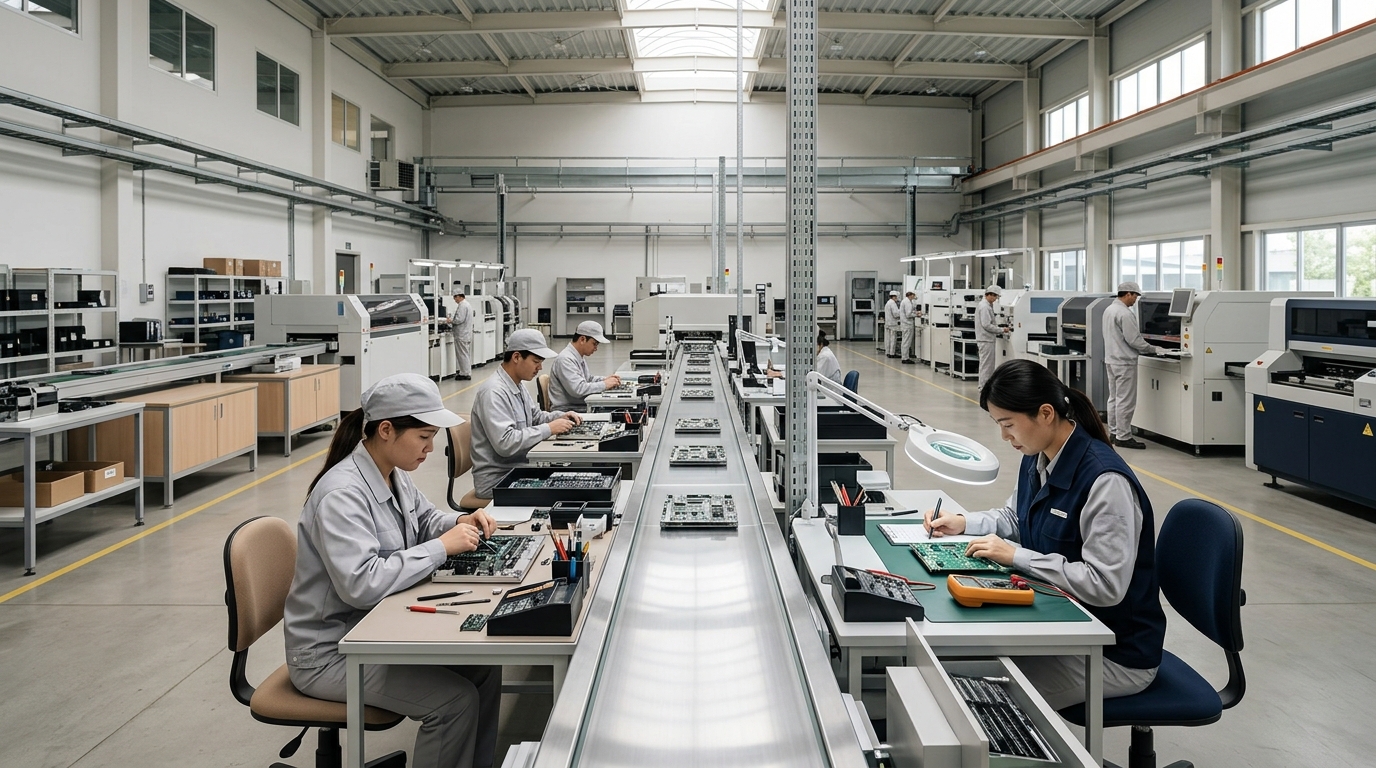
SMETA vs BSCI Audit vs SA8000: Choosing the Right Social Compliance Framework for Your Supplier
SMETA, BSCI, and SA8000 each serve different retail partners, supply chain geographies, and ESG reporting requirements. This guide helps procurement and ethical trade teams select the right framework before they commission an audit.
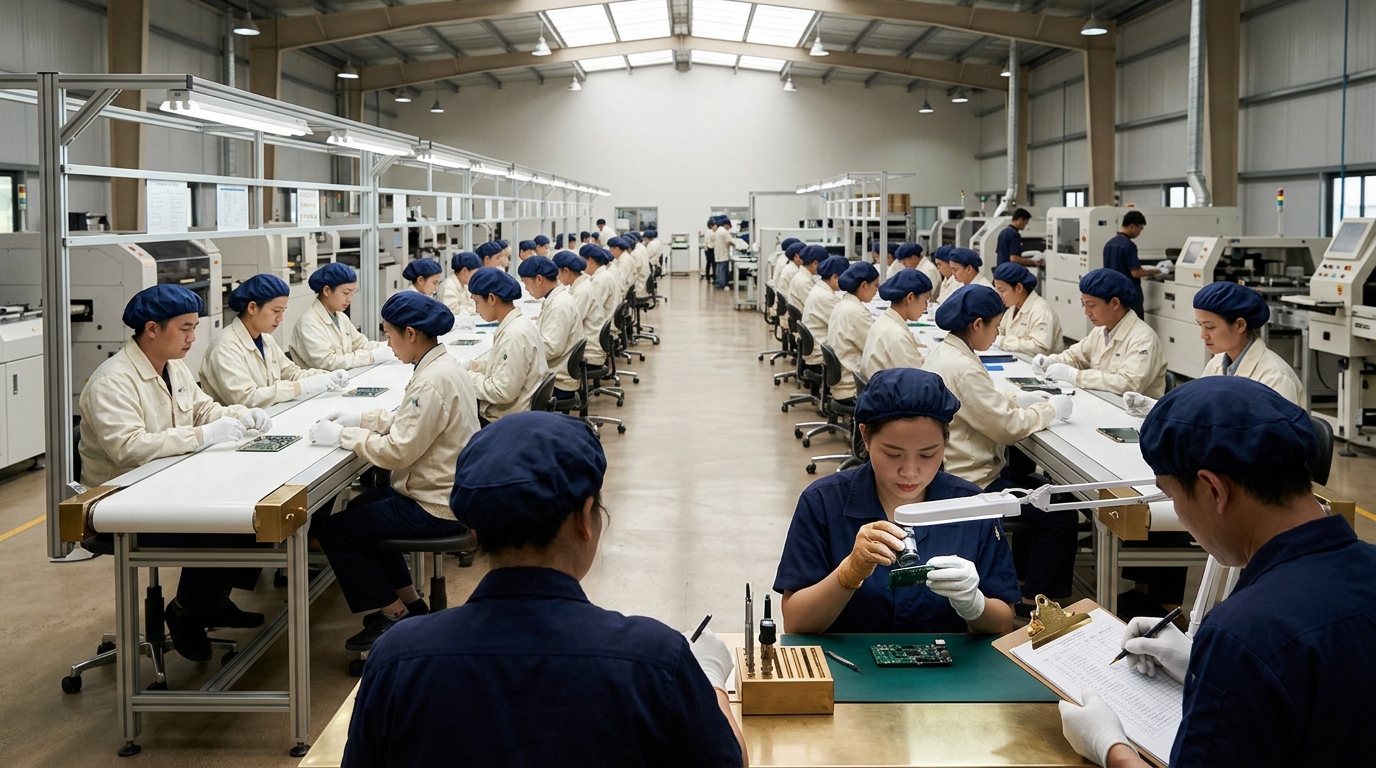
What to Do When Your Pre-Shipment Inspection Fails: A Step-by-Step Response Guide
A failed pre-shipment inspection does not automatically mean your shipment is lost — but it does mean every hour counts. This guide walks you through the exact decisions to make, in order, so you protect your margins, your delivery window, and your leverage with the factory.

How to Write a Product Inspection Checklist Your Third-Party Inspector Can Actually Use
A vague spec sheet produces a vague inspection. This guide walks you through every section of a practical product inspection checklist — dimensions, aesthetics, function, packaging, and labelling — so your third-party inspector has clear pass/fail criteria before they set foot on the factory floor.
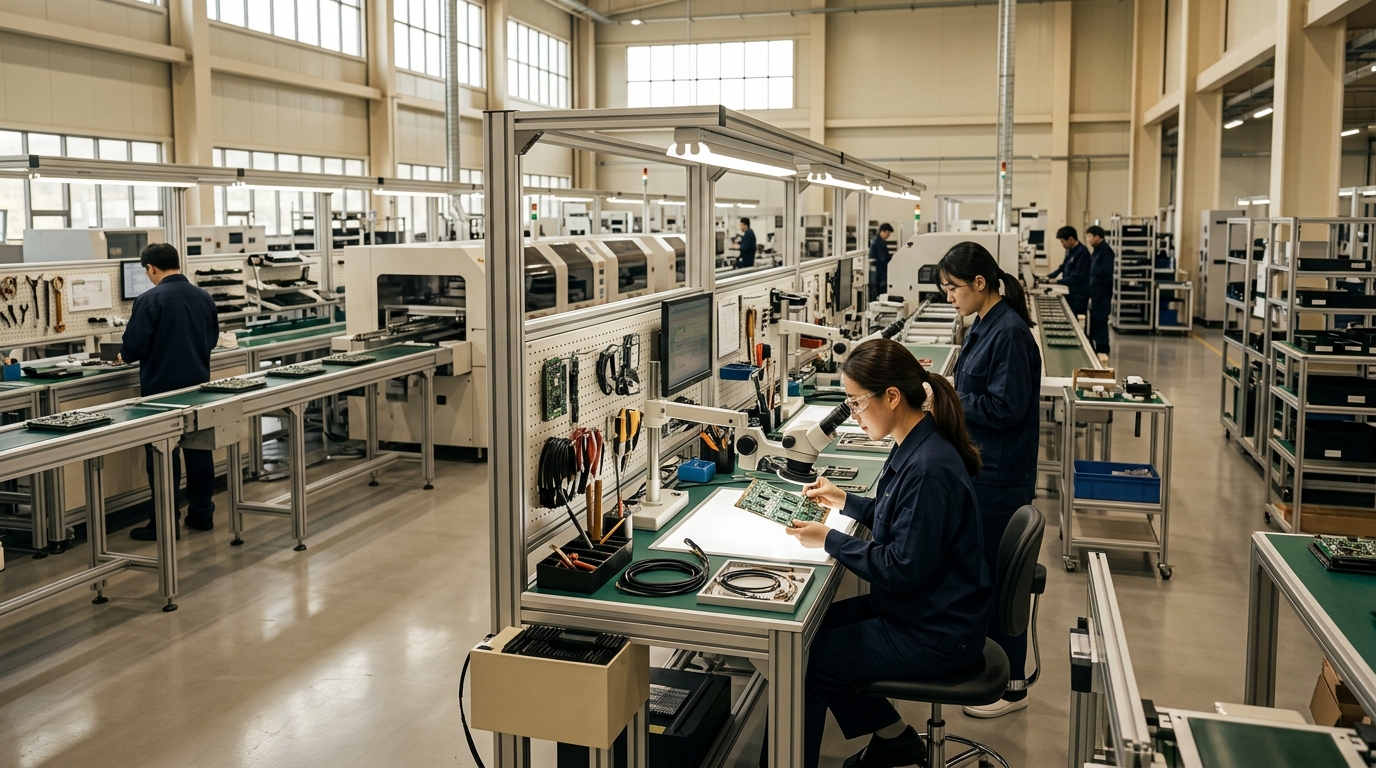
Pre-Shipment vs In-Line Inspection: Which One Actually Protects You?
Most buyers default to a pre-shipment inspection and consider the job done. That single checkpoint catches defects late, after rework costs money and shipment dates slip. Understanding the difference between pre-shipment and in-line inspection — and knowing when to use both — is one of the highest-leverage decisions you can make in Asian sourcing.
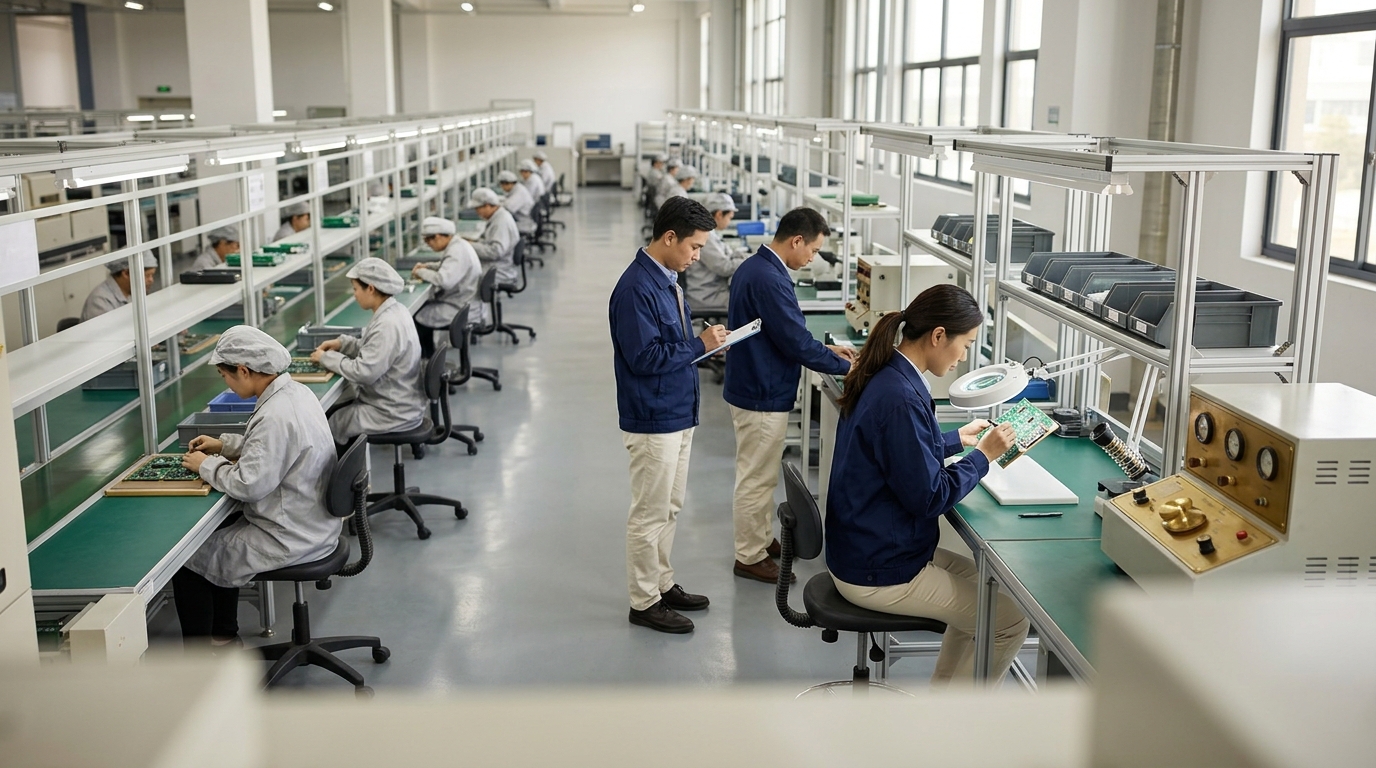
AQL Sampling Inspection Explained: Choosing the Right Level for Your Product
AQL sampling inspection determines how many units your inspector checks and how many defects trigger a rejection — getting that decision wrong costs more than any inspection fee. This guide walks through how to select the right AQL level based on your product category, defect risk, and commercial exposure.
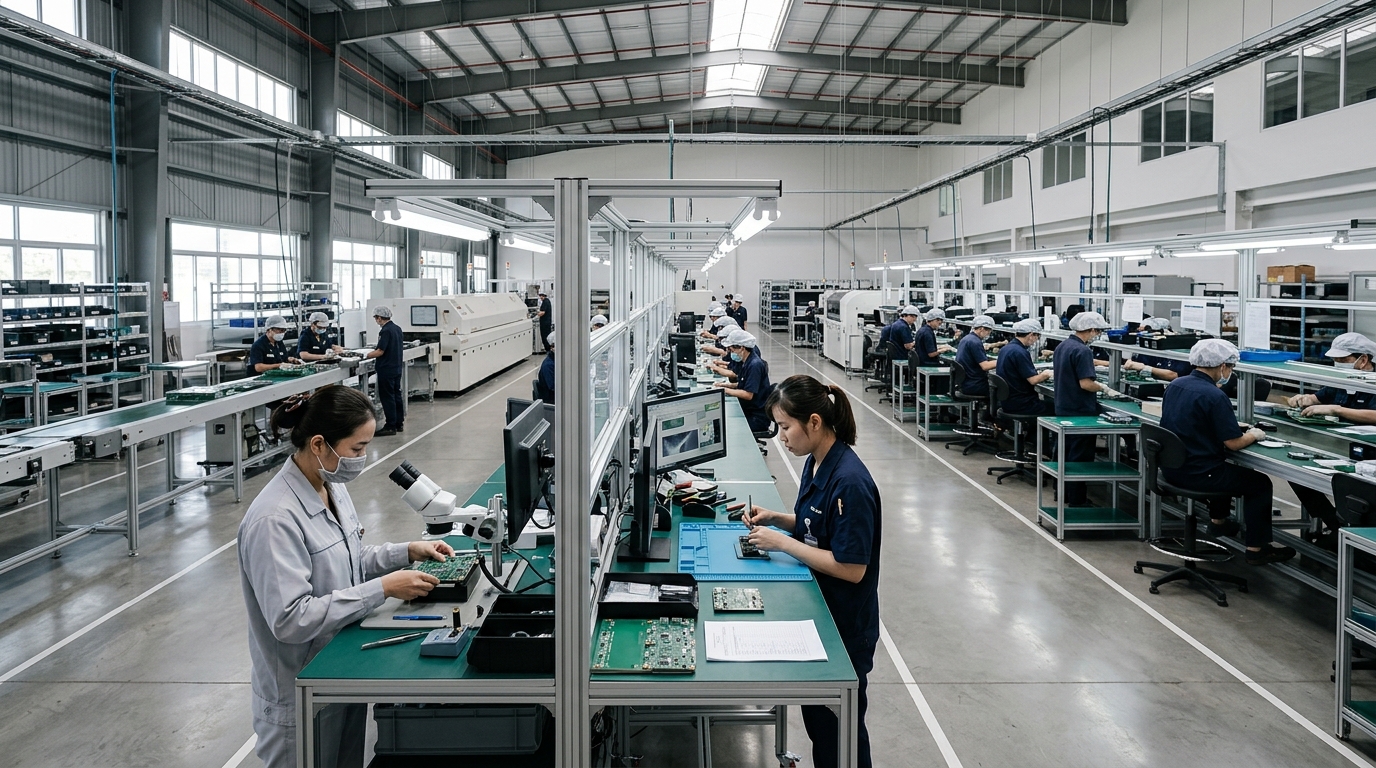
Production Management vs Quality Inspection Asia: Why the Gap Costs Buyers
Many buyers treat third-party inspections as a production oversight strategy — they are not. Understanding the difference between quality inspection and continuous production management is the first step to preventing the delays, surprises, and stockouts that inspections were never designed to stop.
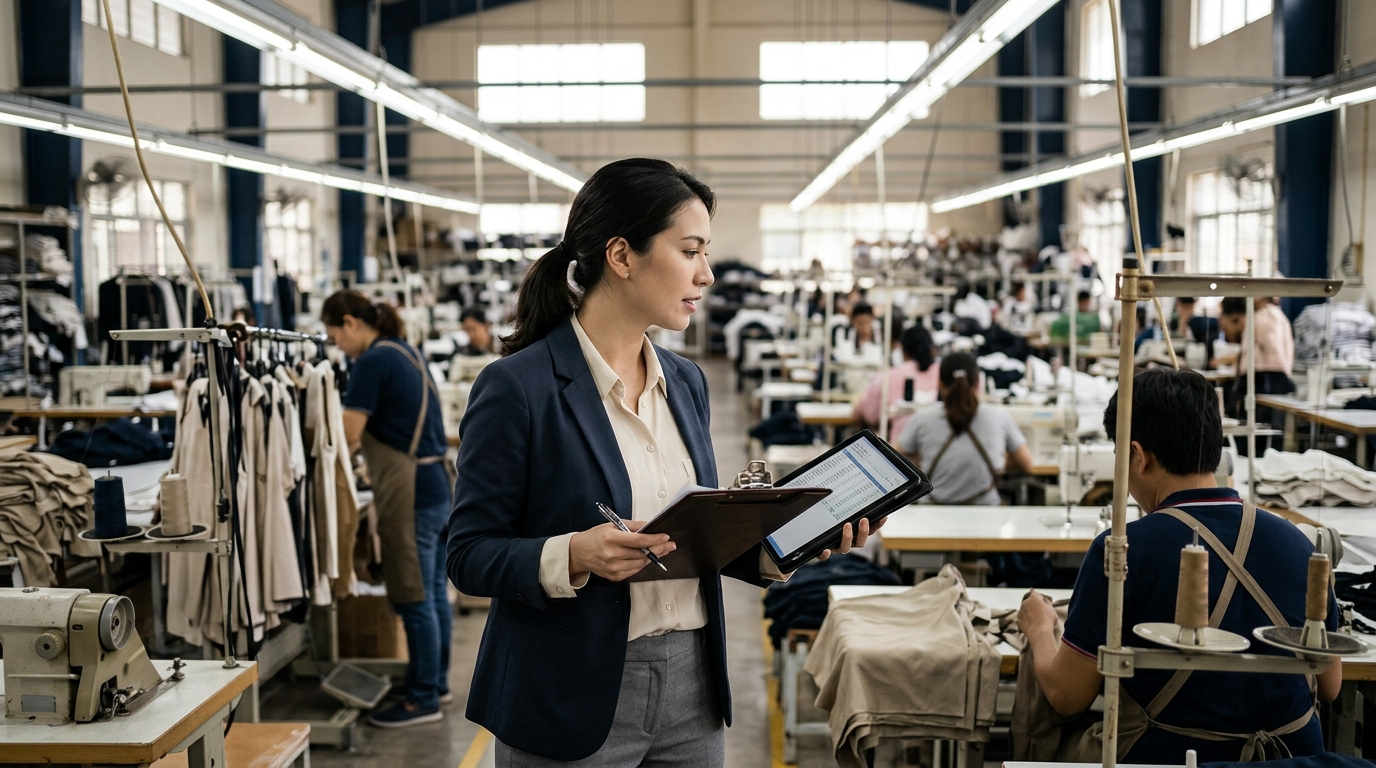
In-House vs Outsourced Production Management Asia: A Framework for Scaling Brands
Deciding between a resident rep office and an outsourced production management service in Asia is a question of volume, complexity, and growth stage — not just cost. This framework helps procurement managers, brand founders, and supply chain directors make the call with clarity.
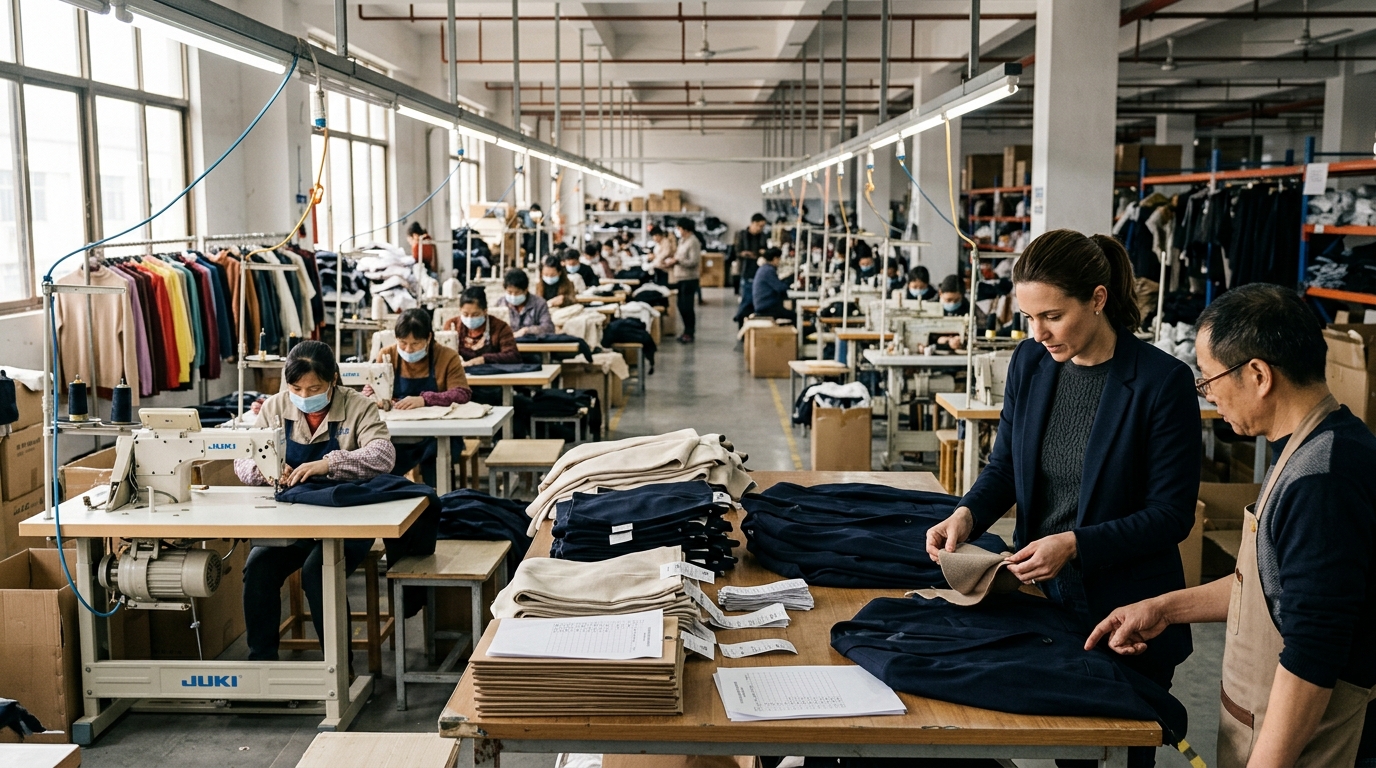
The Real Cost of a Production Delay: A B2B Importer's Financial Calculation
A two-week slip in an Asian production run rarely stays a two-week problem. This article walks importers through the full downstream cost of production delays — freight premiums, chargebacks, stockouts, and lost margin — and explains why proactive production management is the more economical choice.
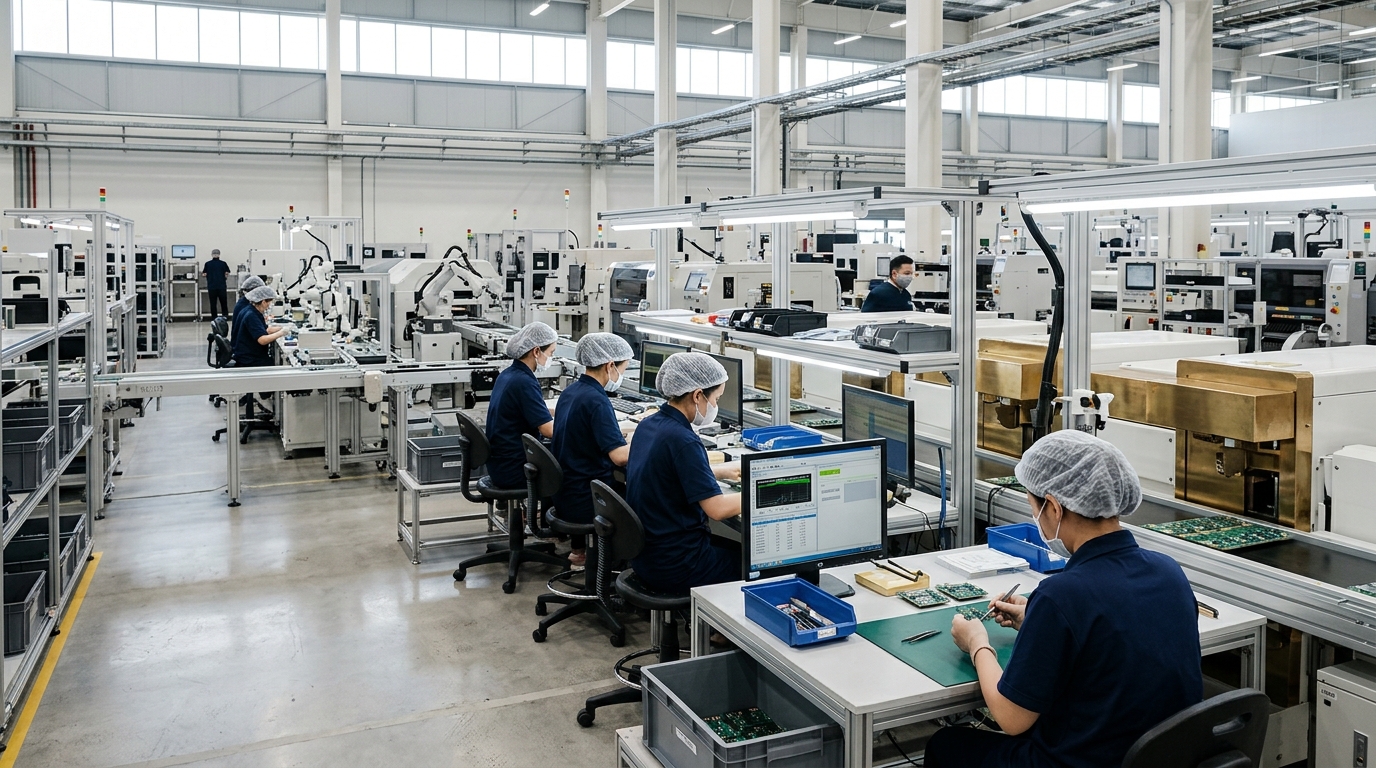
How to Write a Production Milestone Plan Your Asian Factory Will Actually Follow
A production milestone plan that sits in your inbox but never reaches the factory floor is worthless. This guide covers how to structure, communicate, and enforce a critical-path schedule that suppliers in China, Vietnam, Bangladesh, and across Asia will genuinely track.

How to Protect Your Product Specifications and IP When Manufacturing in Asia
Intellectual property loss and specification drift are among the most consequential risks international buyers face when sourcing in Asia. This guide covers the documentation frameworks, legal instruments, and operational controls that keep your designs, formulations, and tooling under your control.
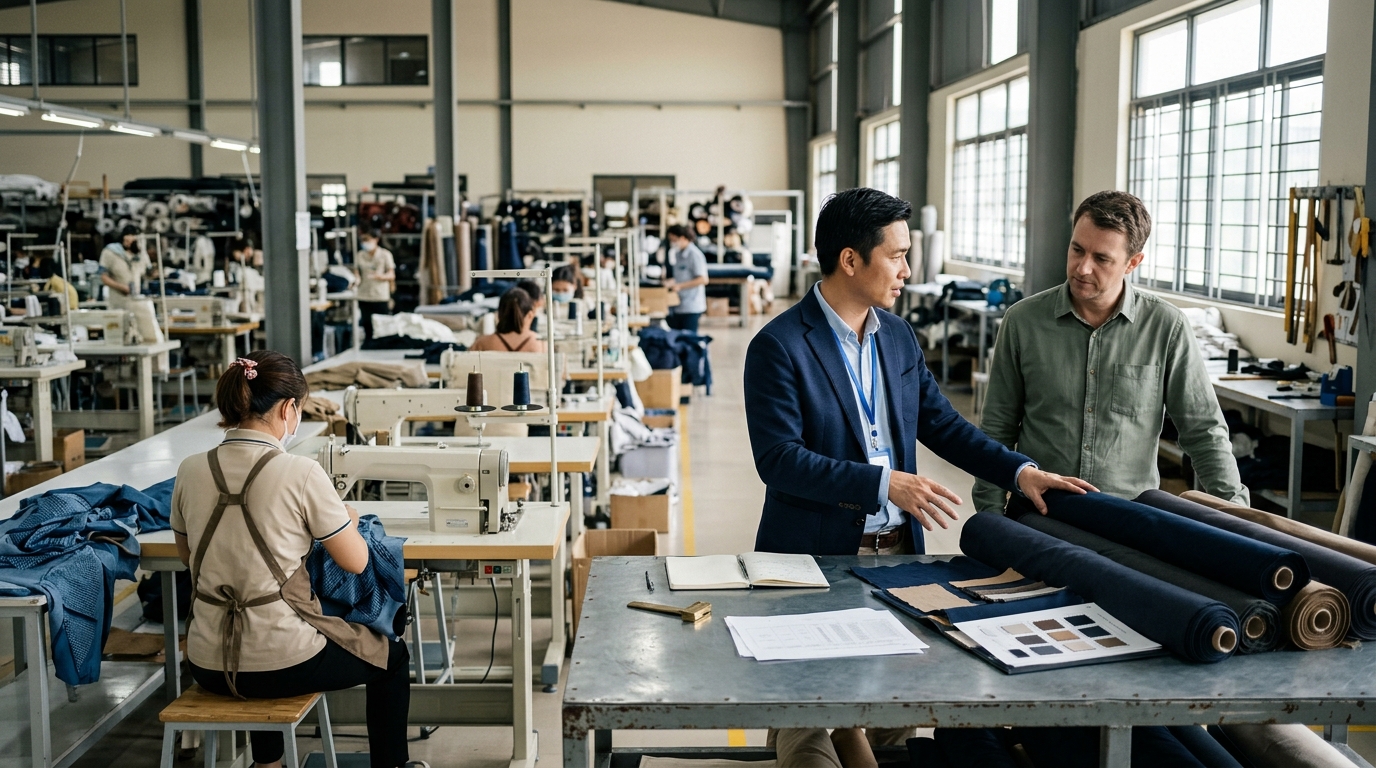
What Is a Manufacturing Governance Model and Why Does Your Supply Chain Need One?
A manufacturing governance model is the operational and contractual framework that defines how buyers and suppliers work together across quality, capacity, escalation, and accountability. Without one, even well-chosen factory relationships tend to drift, erode, or collapse under pressure.